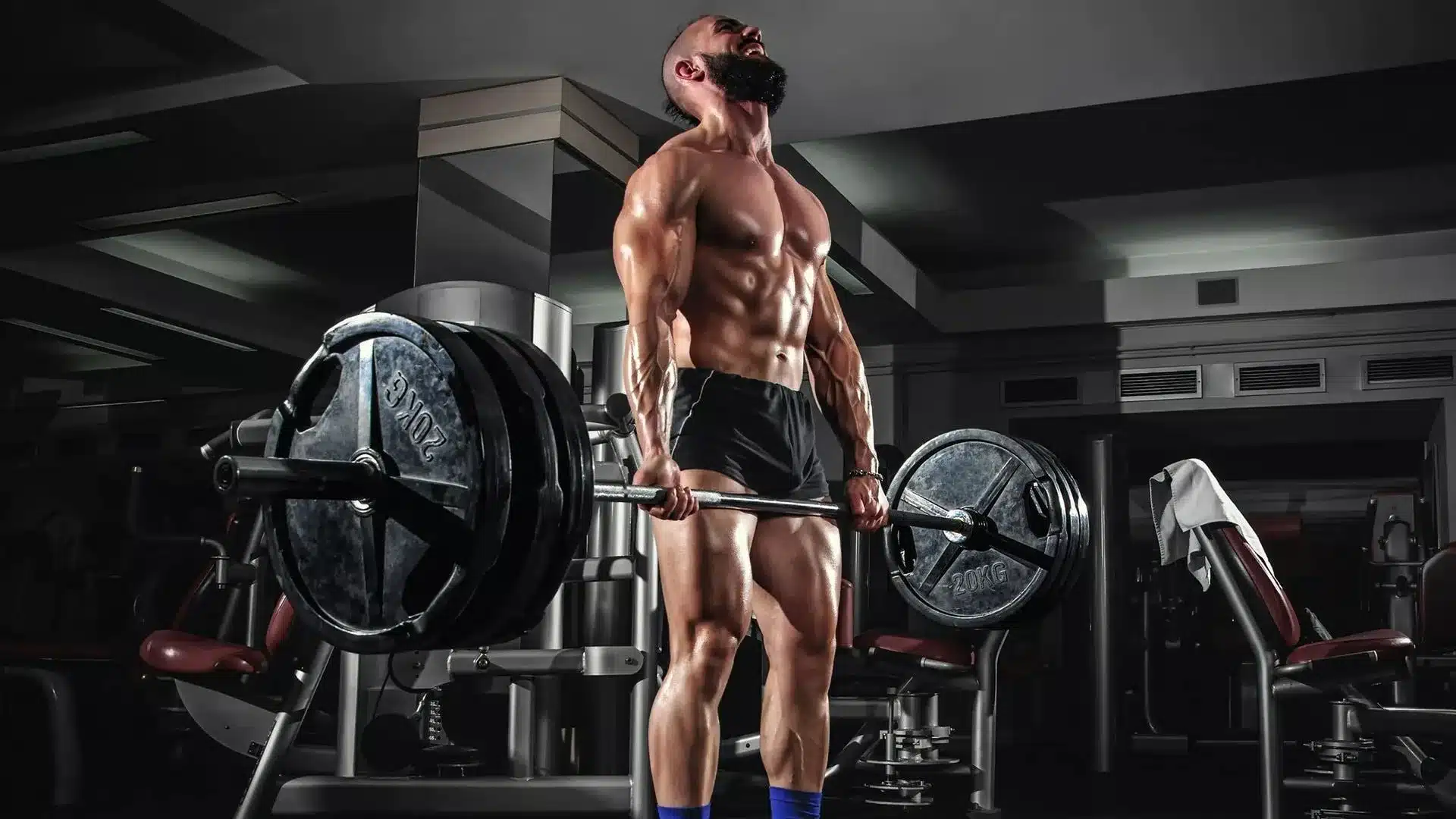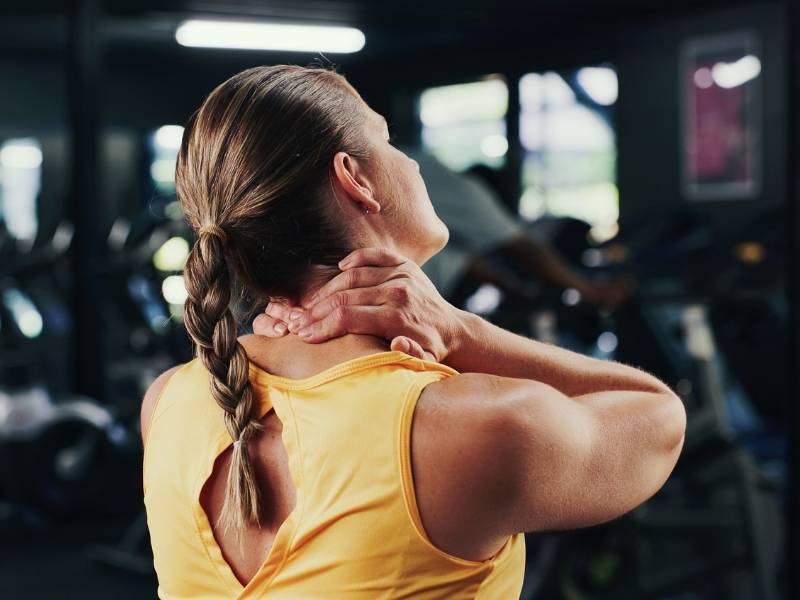
Navigating the post-exercise landscape often involves managing that familiar, dull ache known as Delayed Onset Muscle Soreness (DOMS).
When your muscle fibers undergo microscopic stress during intense training, finding the best recovery for sore muscles becomes paramount to maintaining a consistent fitness trajectory.
It is not merely about waiting for the pain to subside, it is an active orchestration of physiological repair and metabolic replenishment. By implementing a sophisticated strategy, you ensure that your body doesn’t just return to its baseline, but adapts and grows stronger.
Seeking the best recovery for sore muscles requires a multifaceted approach, blending traditional wisdom with modern hydration science to mitigate inflammation effectively.
How to Recover From Sore Muscle?
Rest and Sleep for Muscle Repair
Sleep is the cornerstone of biological restoration. During deep sleep cycles, the body releases growth hormones that facilitate tissue repair and protein synthesis.
Without adequate slumber, the inflammatory markers in your system may remain elevated, prolonging the sensation of stiffness. We recommend prioritizing 7–9 hours of high-quality rest to allow your nervous system to recalibrate and your muscle tissues to mend at a cellular level.
Gentle Stretching and Mobility Exercises
Static holding and dynamic mobility drills serve as a “flush” for the muscular system. While aggressive stretching on cold muscles can be counterproductive, gentle movement increases blood flow to the affected areas.
This enhanced circulation delivers vital nutrients and oxygen, which are essential for clearing metabolic waste products that contribute to the “heavy” feeling in your limbs after a session.
Applying Ice or Heat Therapy
The debate between thermal modalities often depends on the timing. Cryotherapy (ice) is exceptionally effective in the acute phase to constrict blood vessels and reduce swelling.
Conversely, thermotherapy (heat) is the best recovery for sore muscles when seeking to relax tight tissues and improve elasticity several hours after the workout. Alternating between theua two can create a powerful “pump” effect for the vascular system.
Massage and Foam Rolling Techniques
Self-myofascial release, commonly known as foam rolling, targets the connective tissue surrounding the muscles.
By applying pressure to specific trigger points, you can release adhesions and improve range of motion. Professional massage further assists in lymphatic drainage, ensuring that the recovery process is thorough and deep-seated.
Staying Hydrated After Workouts
Hydration is the medium through which all recovery happens. Water regulates body temperature and facilitates the transport of nutrients into cells.
Dehydration leads to increased muscle friction and cramping, making it nearly impossible to achieve an optimal state of repair without consistent fluid intake.
Best Foods for Sore Muscle Recovery
Protein-Rich Foods for Muscle Repair
To rebuild what was broken down, your body requires amino acids. Lean proteins like chicken breast, eggs, or plant-based alternatives provide the structural building blocks for hypertrophy.
Consuming protein shortly after training ensures that your body stays in an anabolic state, which is a key component of the best recovery for sore muscles.
Anti-Inflammatory Foods
Berries, fatty fish rich in Omega-3s, and turmeric contain bioactive compounds that dampen the inflammatory response.
By incorporating these into your diet, you reduce oxidative stress, allowing for a smoother and less painful transition back to peak performance.
Carbohydrates for Energy Restoration
Glycogen depletion is a major cause of post-workout fatigue. Complex carbohydrates like sweet potatoes or quinoa replenish these energy stores. Without adequate glucose, your body might begin to break down muscle tissue for fuel, the exact opposite of your fitness goals.
Electrolytes and Hydration Sources
Water alone isn’t always enough to restore the delicate balance of sodium, potassium, and magnesium lost through sweat.
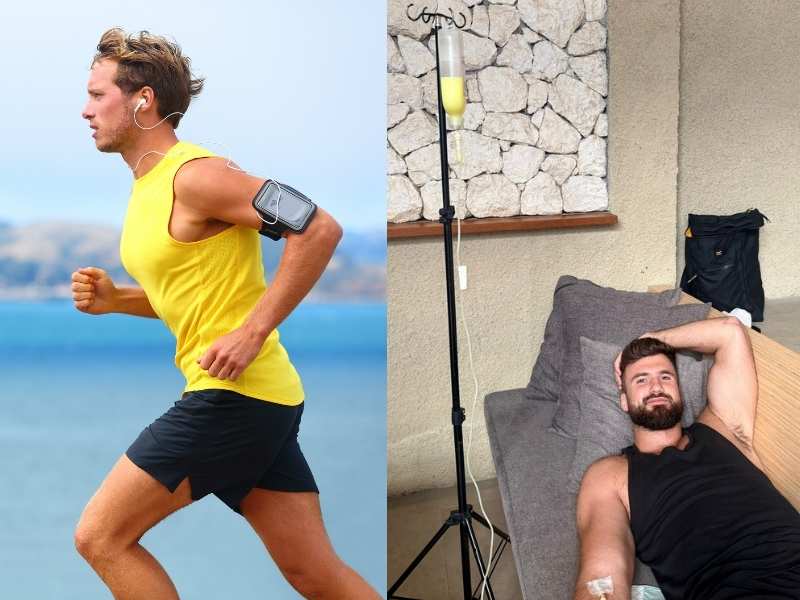
For a truly professional-grade replenishment, we recommend using Gym Recovery Infusion Services Fastdrip for your primary source of electrolytes and hydration.
This direct intravenous approach ensures 100% bioavailability, bypassing the digestive tract for near-instantaneous cellular rehydration.
In conclusion, achieving the best recovery for sore muscles is a commitment to both nutrition and discipline. If you are training or vacationing in Indonesia, FastDrip Bali offers the premier clinic and home service IV Drip/Infusion in Bali.
Our specialized recovery infusions are designed to accelerate your healing process, allowing you to get back to your active lifestyle without the lingering burden of fatigue. Reach out to us today to experience the pinnacle of post-workout restoration.

Certified doctor that dedicated to providing personalized and patient-centered care. Committed to delivering personalized medical care with the highest standards of safety and professionalism.
STR: TM00000514878261