
Bali is a dream destination for many, offering stunning beaches and vibrant culture. However, a sudden illness can easily disrupt your tropical getaway.
One common question travelers ask is: how can we get fever while enjoying a vacation? Understanding the underlying factors of travel-related illnesses can help you stay prepared and protect your health.
Common Causes of Fever While Traveling
Viral and Bacterial Infections During Travel
When you travel to a new destination, your body is exposed to unfamiliar environments. A common reason for a sudden spike in temperature is viral or bacterial infections that enter the body in crowded spaces.
Viral infections spread easily in public transportation, hotels, and crowded tourist attractions. Meanwhile, bacterial infections like Salmonella, E. coli, and Campylobacter cause fever and distressing digestive symptoms. While bacterial infections generally require antibiotics, viral illnesses require rest and symptomatic treatment.
Food and Water Contamination That May Trigger Fever
Trying local food is a highlight of any trip, but contaminated food and water are primary answers to how can we get fever while abroad. Poor sanitation can lead to Typhoid Fever, caused by Salmonella typhi bacteria from contaminated food or unsterile water.
Consuming raw food or unsterilized water can also expose you to Hepatitis A, Norovirus, or Traveler’s Diarrhea. Bacteria remain the most common cause of foodborne illnesses, making hygiene crucial.
Fatigue and Weakened Immunity While Traveling
An intense itinerary can take a heavy toll on your body. Physical exhaustion from travel reduces your body’s natural defenses.
Furthermore, dehydration, lack of sleep in a new environment, and irregular meal patterns weaken your immune system, making you vulnerable to infections.
Children are even more prone to fever because their developing immune systems allow viruses to enter the body easily. When immunity drops, it explains how can we get fever simply from overexertion.
Mosquito-Borne Illnesses in Tropical Areas
In tropical areas like Bali, diseases transmitted by mosquitoes can cause high fevers. If you wonder how can we get fever from local insects, symptoms like chills, nausea, and fever usually appear within 1 week to 1 month after an infected mosquito bite.
Common tropical illnesses include Dengue Fever (fever, chills, nausea, muscle/joint pain), Chikungunya (high fever, severe joint pain, rash), and Zika (mild fever, rash, joint pain).
While mild symptoms might resolve with rest, you should consult a medical professional if you experience a fever above 38.5°C (102°F), a fever lasting more than 3 days, severe headache, severe muscle pain, skin rashes, extreme lethargy, or urgent symptoms like shortness of breath.
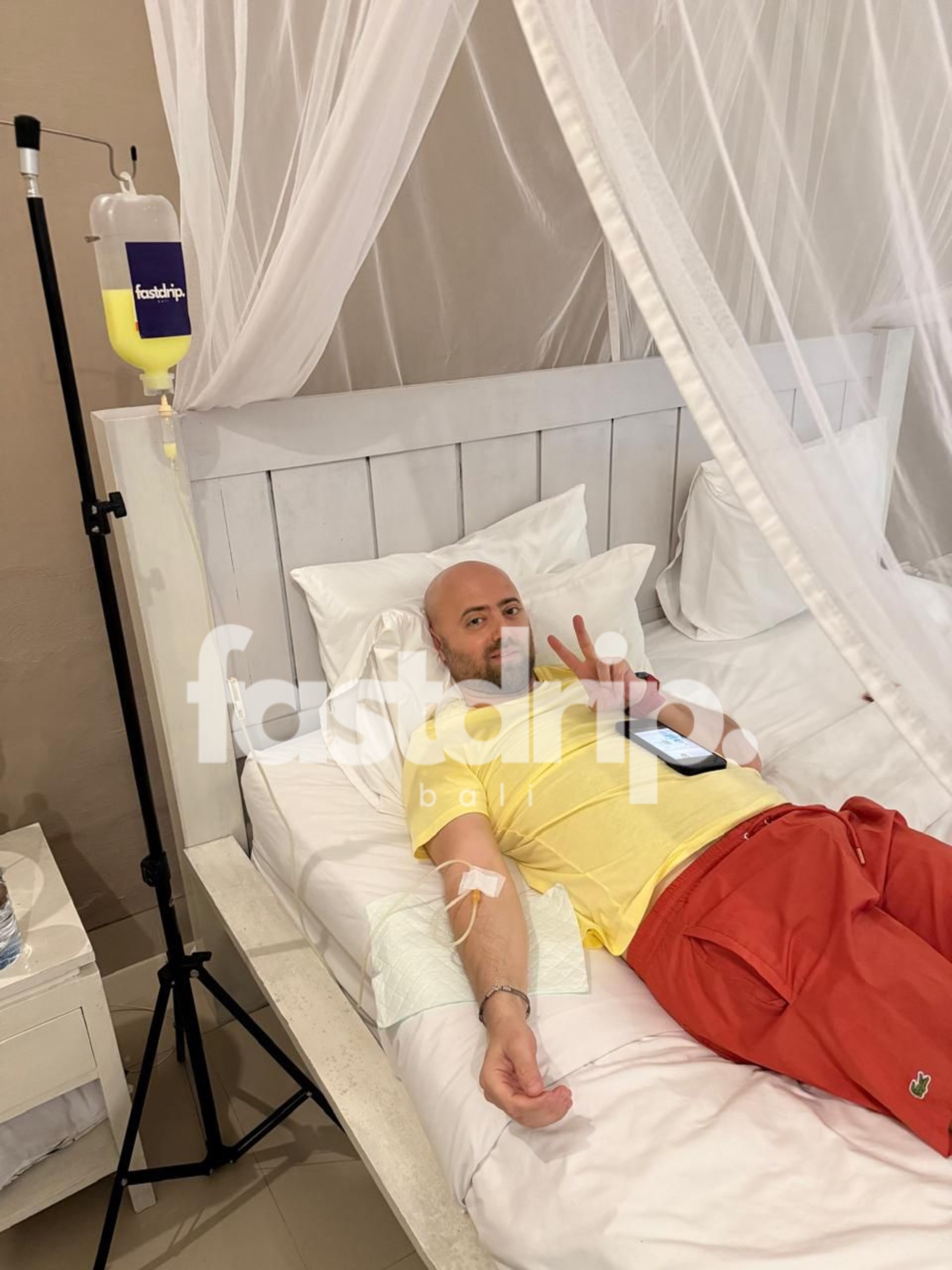
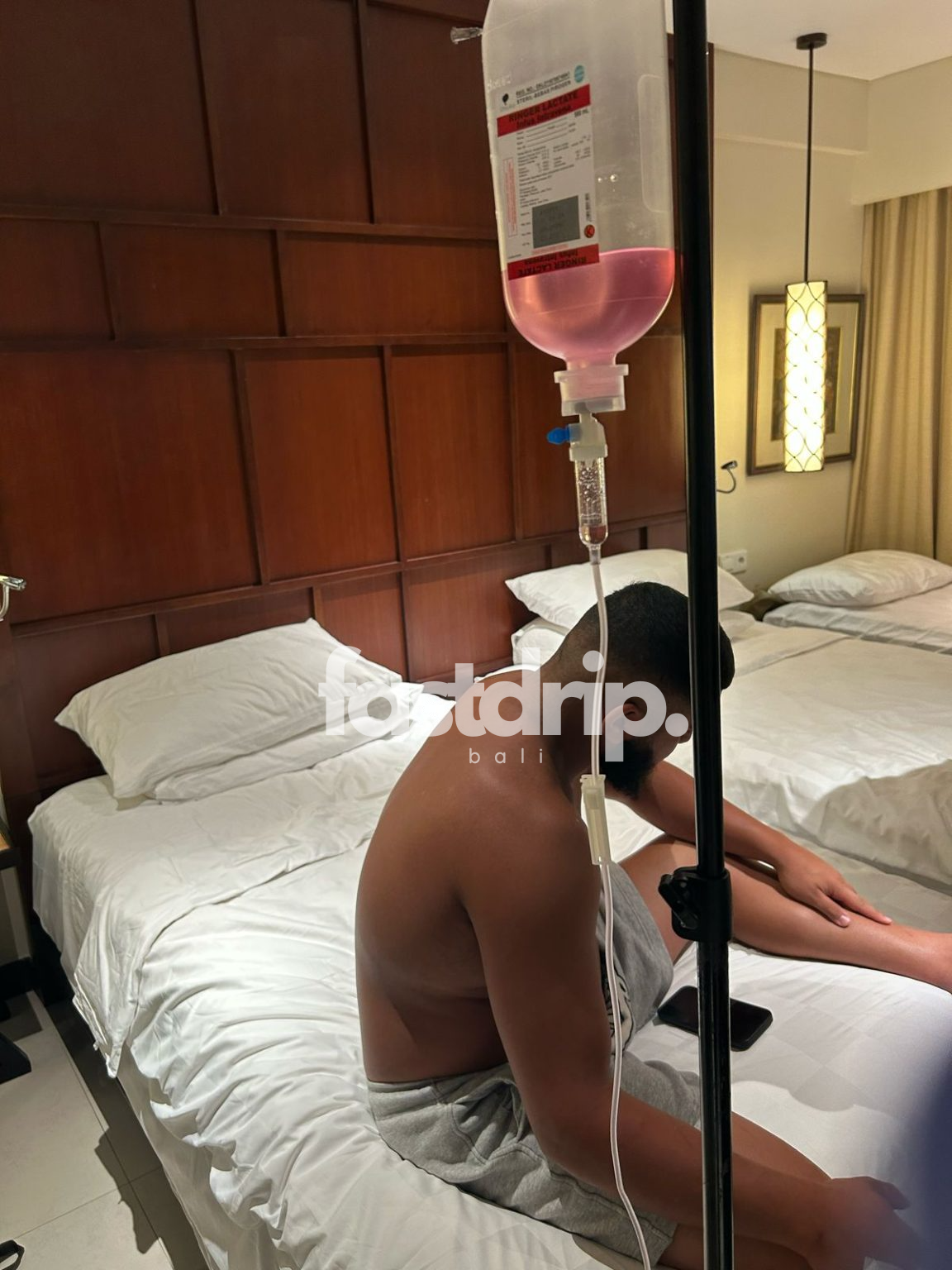
If you experience fever symptoms while traveling, we highly recommend using our Doctor On Call and IV Drip Therapy for Fever services from FastDrip Bali.
Our 24/7 mobile Doctor On Call service brings licensed, English-speaking doctors directly to your villa or hotel in Canggu, Seminyak, Ubud, Nusa Dua, Kuta, Legian, Berawa, and Pererenan, saving you from leaving your room.
Additionally, our specialized IV Drip Therapy for Fever from FastDrip Bali provides instant rehydration, safeguards fluid balance, delivers high-dose Vitamin C to boost immunity, Vitamin B complex to restore energy, IV Paracetamol to lower fever faster than oral medication, and anti-nausea medicine.
With a response time of 30–60 minutes, our professional medical team using BPOM-approved medications helps most patients feel better within 1–2 hours.
In conclusion, understanding how can we get fever helps you stay vigilant during your holidays. FastDrip Bali is always ready to assist you as the leading clinic and home service IV Drip/Infusion provider in Bali, offering fast and professional treatment for fever, flu, Bali Belly, and hangovers right at your doorstep.

Certified doctor that dedicated to providing personalized and patient-centered care. Committed to delivering personalized medical care with the highest standards of safety and professionalism.
STR: TM00000514878261