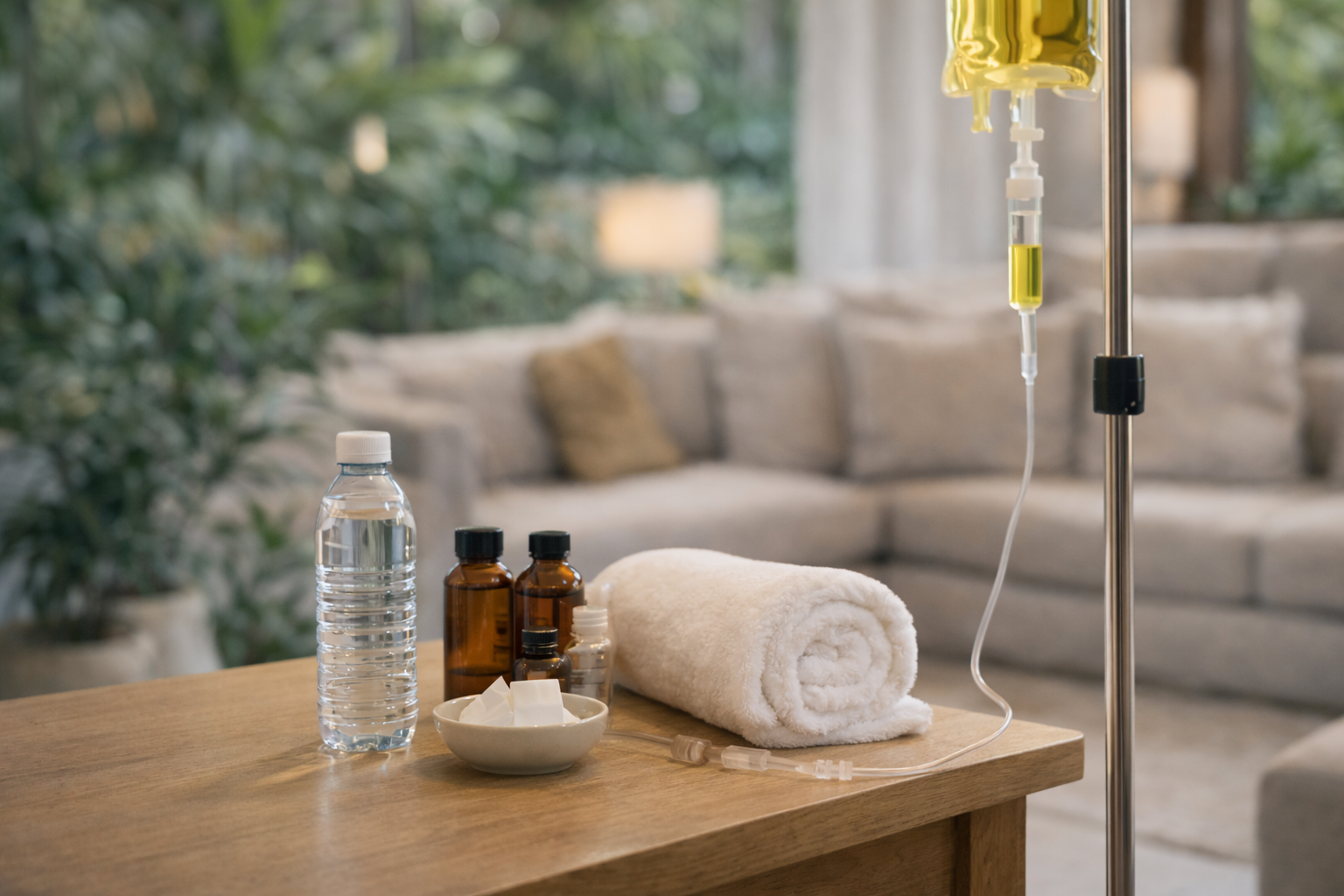

A first trip to Bali requires thorough preparation, particularly regarding health. Travelers may encounter certain issues stemming from Bali’s tropical climate and its impact on the body.
Hot and humid weather can cause the body to lose significant fluids through sweating, especially during prolonged outdoor activities. Additionally, some travelers may experience digestive problems, such as nausea, vomiting, or diarrhea, after consuming unfamiliar foods or altering their dietary habits.
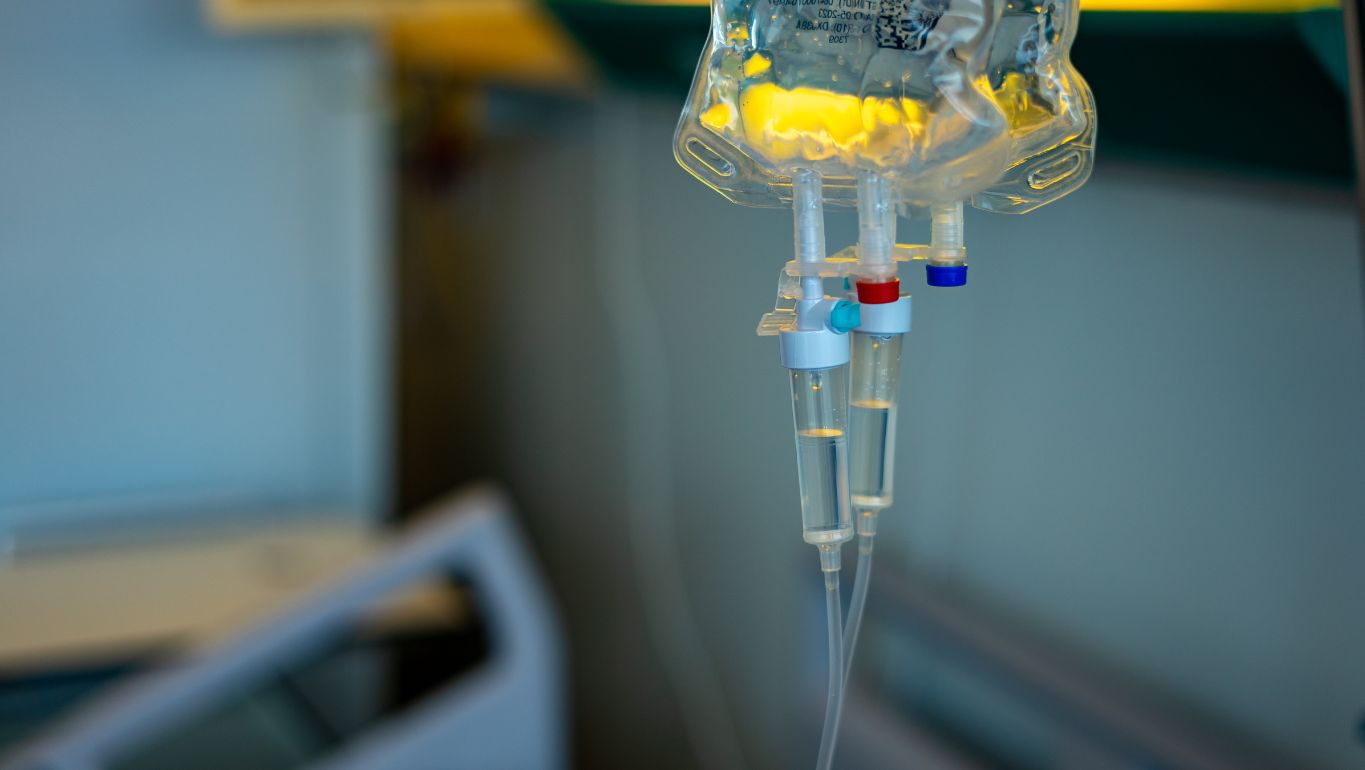
These conditions can escalate in severity if fluid loss is not balanced by adequate fluid intake. In cases of severe dehydration, intravenous (IV) hydration may be considered following a medical assessment.
Why Travelers May Experience Dehydration in Bali
Bali’s tropical environment can be very different from the climate many international travelers are accustomed to. High temperatures, humidity, intense outdoor activities, and prolonged sun exposure can all increase the body’s fluid requirements.
Travelers may also become dehydrated because they simply forget to drink enough water while sightseeing. Long flights, jet lag, alcohol consumption, physical activities, and disrupted sleep schedules can add to the problem.
Dehydration can become more significant when it occurs alongside vomiting or diarrhea. Diarrhea causes the body to lose water and electrolytes, while repeated vomiting can make it difficult to replace those losses by drinking. According to the World Health Organization, severe dehydration from diarrhea may require intravenous fluids, while oral rehydration remains an important treatment for most cases.
Vomiting and Diarrhea: A Real Issue for Travelers
One situation that can quickly change a holiday itinerary is developing sudden stomach discomfort after eating or drinking something unfamiliar.
A traveler may wake up with diarrhea, nausea, stomach cramps, or vomiting and then find it difficult to continue drinking normally. Spending the day in the bathroom can also lead to substantial fluid loss. If the person is already dehydrated from Bali’s heat, the combination may result in weakness, dizziness, headache, or fatigue.
This is why hydration should be taken seriously when traveling in a tropical destination.
However, it is important to understand that an IV drip does not guarantee protection against diarrhea or vomiting. IV therapy does not prevent foodborne infections or eliminate every underlying cause of gastrointestinal illness. Its potential role is primarily related to fluid and electrolyte replacement when clinically appropriate.
For mild diarrhea, oral rehydration solutions and adequate fluid intake may be sufficient. IV fluids are generally more relevant when dehydration is significant or a person cannot adequately maintain hydration by mouth.
What Happens Before Your First IV Drip Session?
Your first IV drip session should begin with an assessment rather than immediately receiving an infusion.
A healthcare professional should ask about your current symptoms, medical history, allergies, medications, and how much fluid you have been able to drink. If you are experiencing vomiting or diarrhea, it is useful to explain how frequently it has occurred and whether you have been able to keep fluids down.
The medical team may also assess your general condition and vital signs before determining whether IV hydration is appropriate.
This assessment is especially important because not every traveler who feels tired or has an upset stomach needs an IV drip. The appropriate treatment depends on the person’s symptoms and overall condition.
What to Expect During the IV Drip
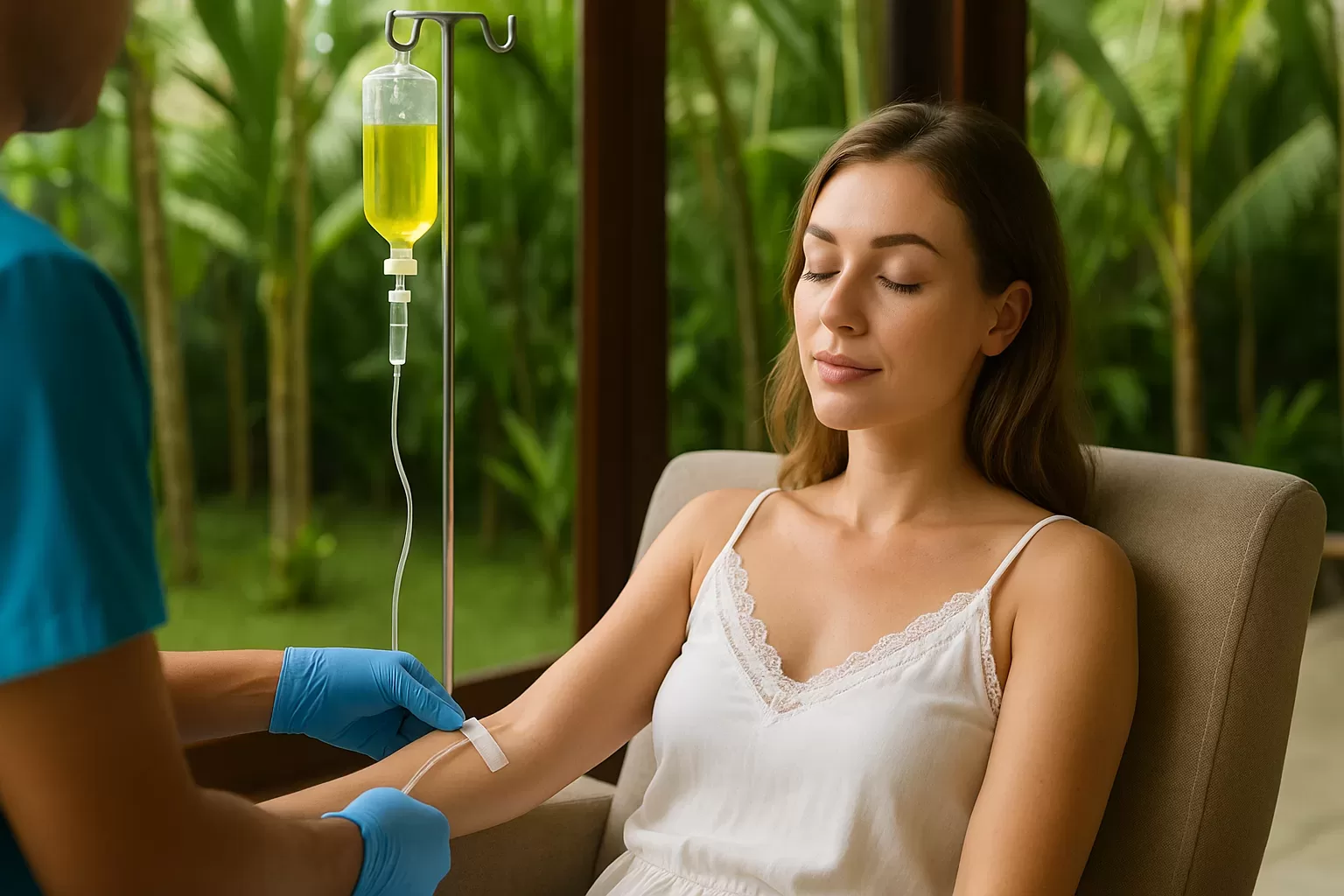
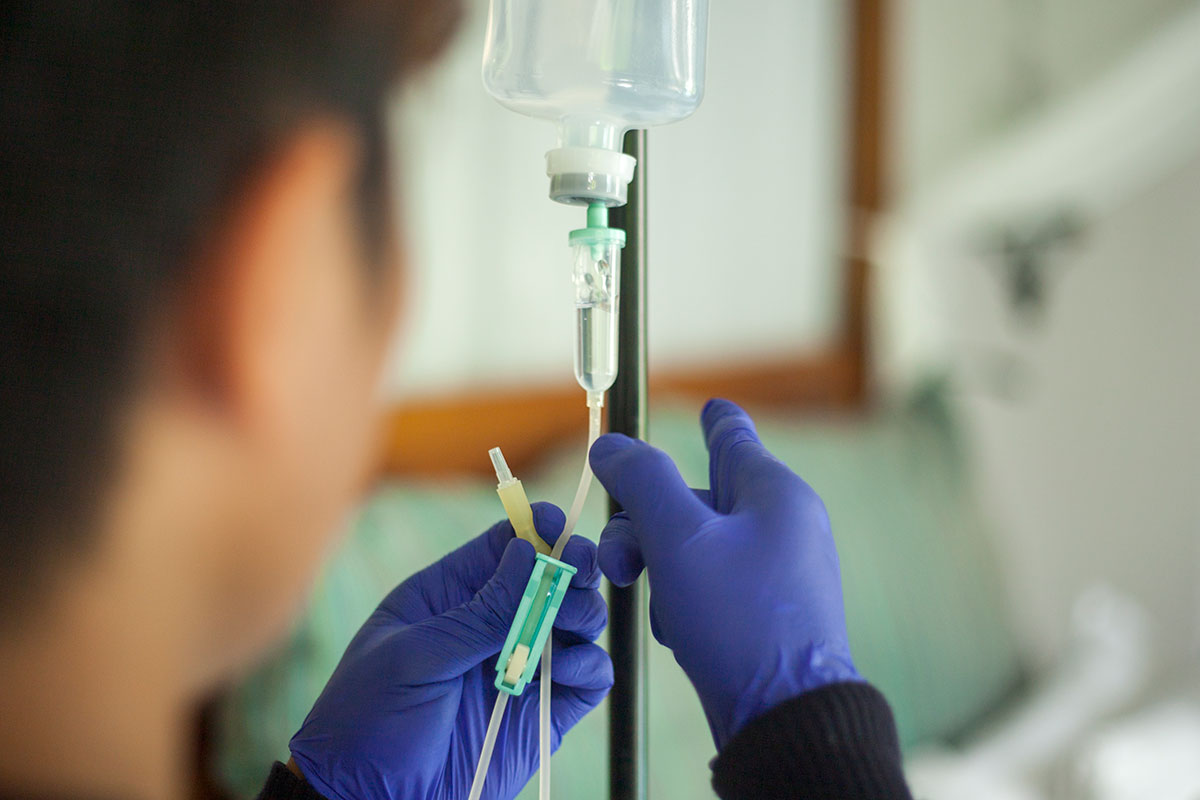
Once IV treatment has been considered appropriate, a healthcare professional will prepare the equipment and insert a small IV cannula into a vein, usually in the arm or hand.
After the IV line is secured, the selected fluid can be administered while you remain seated or comfortably resting.
During the session, the healthcare professional should monitor you for any discomfort or unusual reaction. The type and amount of fluid should be determined according to your individual situation rather than using the same treatment for every traveler.
The experience is generally straightforward, which can make IV hydration an appealing option for travelers who are feeling weak or dehydrated and need professional care.
Why Choose IV Drip Home Service in Bali?
For travelers who are already feeling unwell, getting to a clinic can be one of the biggest challenges.
Imagine experiencing repeated vomiting at your hotel or waking up with diarrhea and significant weakness at a villa. Getting dressed, arranging transportation, sitting in traffic, and waiting at a medical facility may feel exhausting.
This is where an IV drip home service in Bali can offer additional convenience. Instead of traveling to a clinic, qualified medical staff can provide the treatment at your hotel, villa, or other accommodation, subject to service availability and medical suitability.
For someone experiencing symptoms such as physical weakness, nausea, or dehydration, receiving appropriate care without having to leave their accommodation can make the experience far more comfortable.
A More Comfortable Way to Receive IV Hydration in Bali
For first-time visitors, understanding how the body responds to Bali’s heat, activity levels, and potential gastrointestinal problems can make a significant difference. Vomiting and diarrhea can contribute to dehydration, while severe dehydration may require professional treatment and, in appropriate cases, intravenous fluids.
Include an IV Drip treatment in your travel plans for your first trip to Bali. Opt for a home service for added convenience and contact Fast Drip Bali for the best care.
Frequently Asked Questions
1. For first-time travelers to Bali, are IV drips safe?
IV therapy can be appropriate for some travelers when provided after a proper medical assessment by qualified healthcare professionals. It is not necessary for everyone experiencing fatigue or mild dehydration.
2. Can an IV drip prevent Bali belly?
No. An IV drip cannot guarantee prevention of Bali belly, diarrhea, or foodborne illness. Its role may be to help manage dehydration when clinically appropriate.
3. Can I get an IV drip if I have vomiting or diarrhea?
It may be considered when vomiting or diarrhea has caused significant dehydration or when you cannot adequately replace fluids orally. A healthcare professional should assess your condition first.
4. Can I receive an IV drip at my hotel or villa?
Yes. Home-service IV drip providers in Bali can offer treatment at accommodations such as hotels and villas, depending on location, availability, and medical suitability.

Certified doctor that dedicated to providing personalized and patient-centered care. Committed to delivering personalized medical care with the highest standards of safety and professionalism.
STR: PH00000071318974