
A holiday in Bali often involves a packed schedule and hot weather, which can leave you feeling exhausted. In certain situations, a suboptimal diet can also contribute to a lack of proper nutrition.
The challenge lies in distinguishing between the two. Signs of vitamin deficiency in the body are not determined solely by the level of fatigue. Symptoms such as physical weakness or difficulty concentrating can also stem from sleep deprivation, jet lag, dehydration, stress, or excessive physical activity.
Nevertheless, certain changes in your physical condition may signal a need to re-evaluate your diet, hydration, sleep, and recovery process while traveling.
Signs Your Body May Need Nutritional Attention
Pay attention to the following signs indicating that your body requires extra nutrients.
1. Still Feeling Tired After Sleeping
Being exhausted after a red-eye flight is expected. However, the situation is different if your energy levels remain very low even after you have had the chance to sleep and rest.
If simple activities that are usually easy suddenly feel strenuous, consider your routine over the past few days. Have you been eating enough? Have you stayed hydrated? Have you been sleep-deprived for several nights?
2. Your Concentration Feels Worse Than Usual
While traveling, you might find it harder to concentrate, easily forget your itinerary, or feel like your mind is moving more slowly than usual.
This condition is often linked to jet lag or a lack of sleep. An overly packed schedule can also exacerbate the issue, as your body and brain lack sufficient time to rest between activities.
Nutritional intake also warrants attention if your diet has changed drastically. If you have eaten very little or relied mostly on snacks for several days, your overall nutrient intake may be insufficient.
3. Normal Activities Suddenly Feel More Difficult
Walking for hours in Bali can certainly make your legs tired. However, there is a difference between normal fatigue following activity and feeling physically weak while performing tasks that are usually not very strenuous.
For instance, you might find yourself running out of energy much faster when climbing a short flight of stairs, or lacking your usual stamina during activities that are otherwise familiar to you.
4. Your Meals Have Become Extremely Irregular
One aspect often overlooked while traveling is your eating routine.
You might leave the hotel too early to have breakfast, spend the day sightseeing and snacking, and only manage to eat a proper meal at night.
5. Your Body Takes Longer to Recover
Imagine spending a full day exploring Bali and expecting to feel refreshed after a night’s sleep, only to wake up the next morning feeling utterly exhausted.
Slower recovery can occur when physical activity significantly exceeds your normal daily routine.
6. Constantly Feeling “Drained”
Some travelers describe this as a state where their body feels “off”, not exactly sick, but weak, sluggish, and lacking the energy to enjoy their itinerary.
This can happen due to an overly packed travel schedule. Waking up early for several days, staying up late, consuming alcohol, walking long distances, and engaging in back-to-back outdoor activities can leave the body exhausted.
However, if the weakness is severe, does not improve with rest, or occurs frequently even when not traveling, do not simply assume it is a vitamin deficiency.
Should You Get an IV Vitamin Drip?
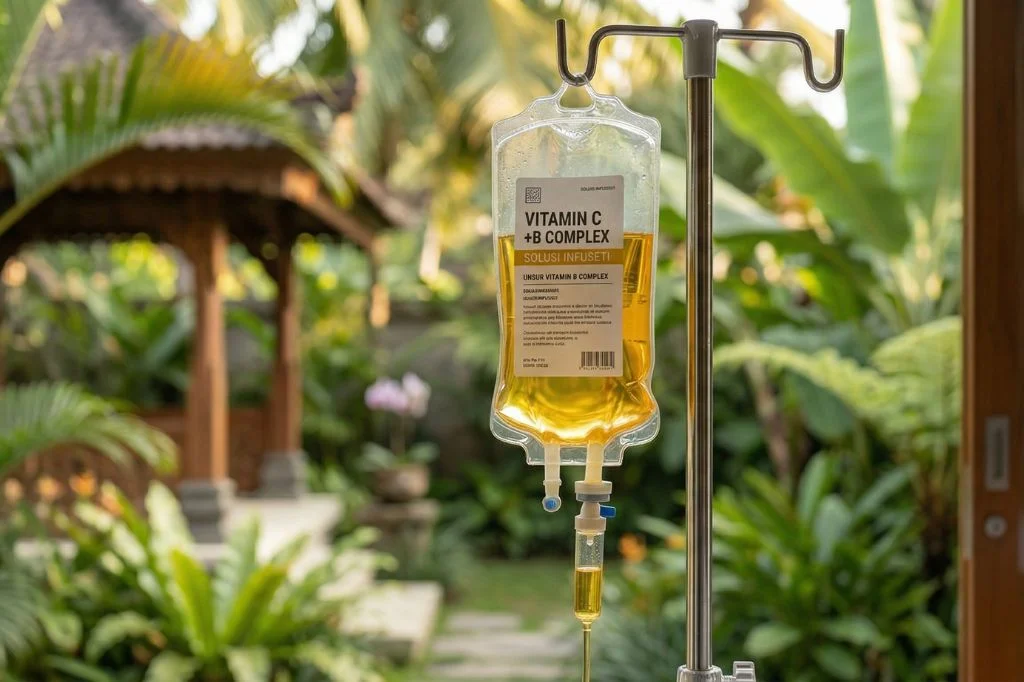
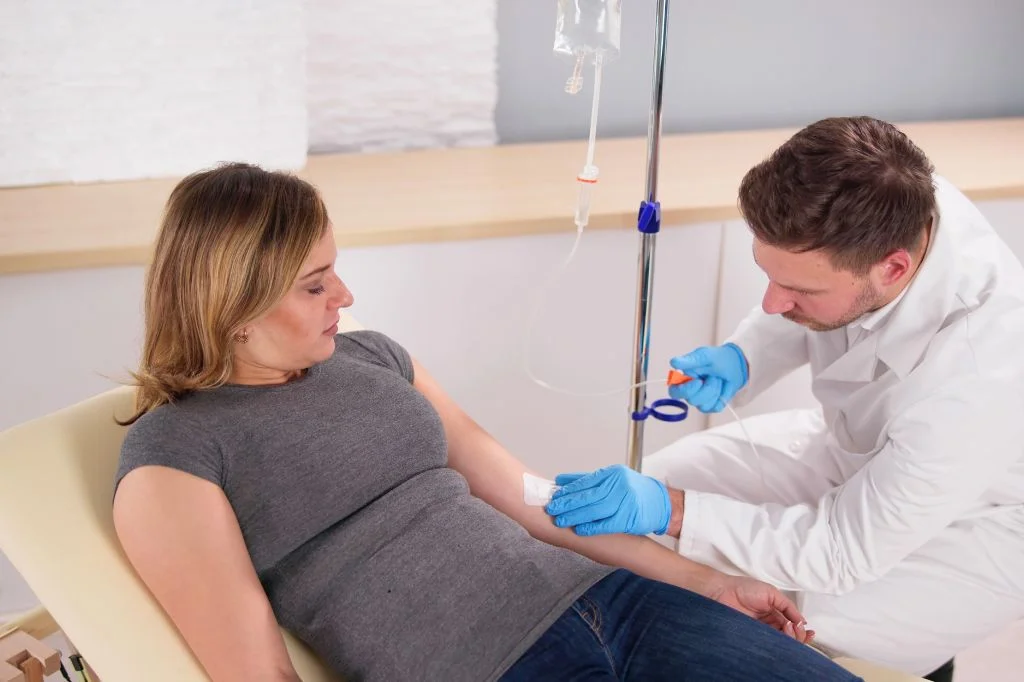
An IV vitamin drip can be an option for certain travelers to provide hydration and nutritional support. This treatment delivers fluids and specific nutrients directly into the bloodstream, unlike oral supplements.
However, IV therapy should not be viewed as an instant fix for every type of travel-related fatigue.
If you are tired because you only slept four hours, hiked all day, and barely drank any water, the more appropriate first step might be to rest, rehydrate, and eat a proper meal.
IV treatment can be considered if there is a valid reason for it and a qualified medical professional has determined that it is safe and suitable for your condition.
Why Home-Service IV Drip Can Make Sense for Travelers in Bali
For travelers deemed suitable for IV therapy, convenience is also a key factor.
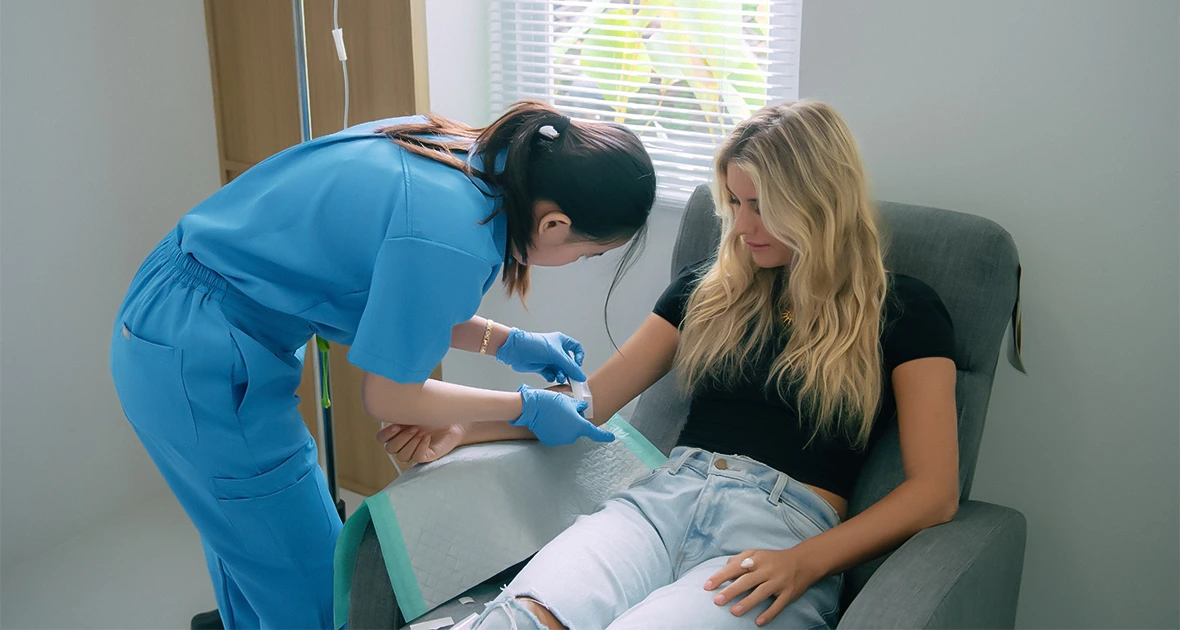
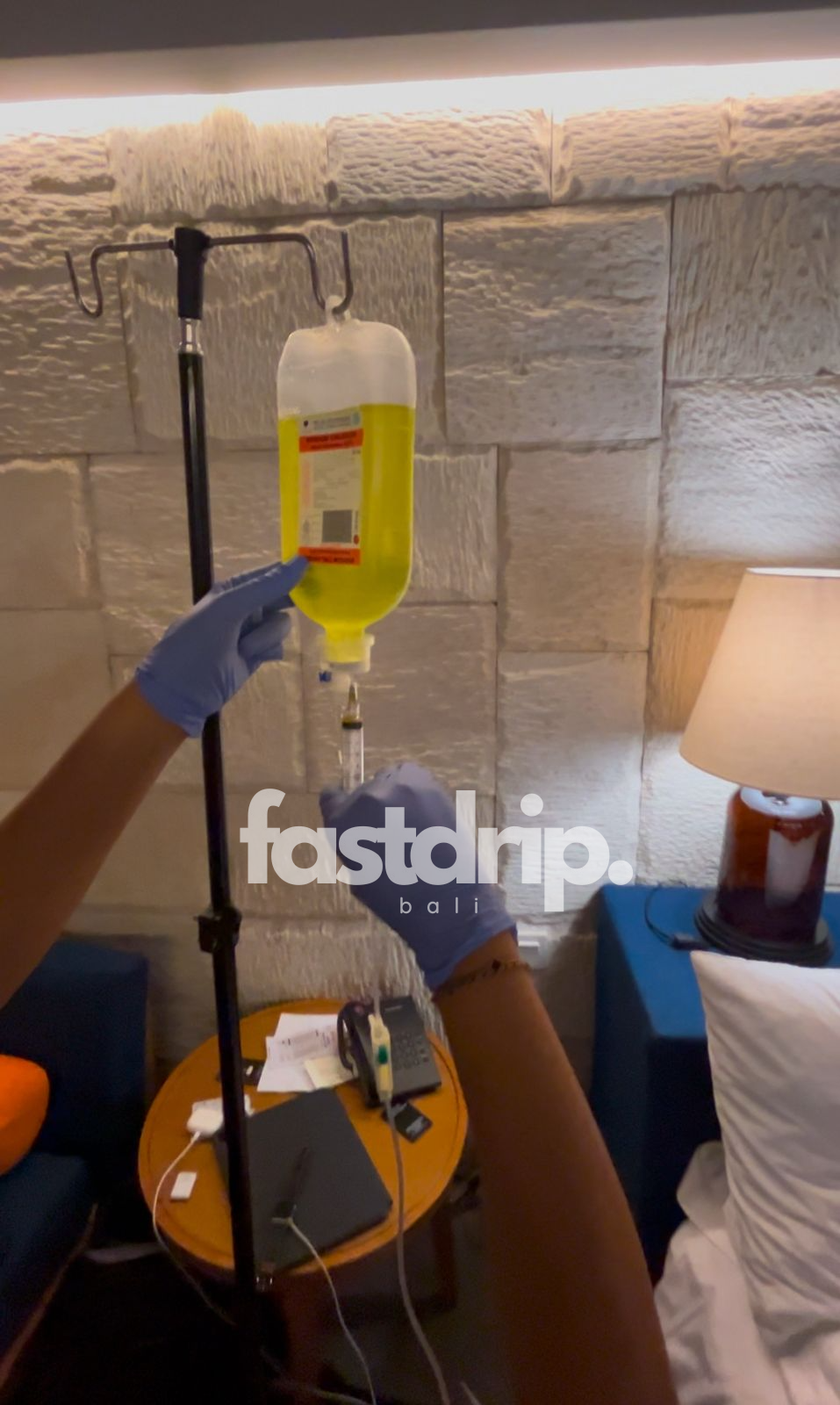
An IV drip home service allows the treatment to be administered at your hotel, villa, or other accommodation, so you do not have to spend extra time traveling to a clinic.
This option is highly practical after a long flight or when your holiday itinerary is already packed. Travelers can also rest in a more familiar and private environment while the treatment takes place.
When Should You Avoid Relying on IV Drips?
An IV drip should not be used merely to avoid a medical evaluation of persistent or serious symptoms.
Seek medical attention if you develop concerning symptoms such as chest pain, fainting, severe shortness of breath, significant confusion, persistent vomiting, or symptoms suggesting serious dehydration.
You should also consider a medical check-up if fatigue persists even after returning to your normal routine with adequate diet, fluid intake, and sleep.
Feeling tired while traveling does not necessarily mean your body is deficient in vitamins. Jet lag, sleep deprivation, dehydration, dietary changes, hot weather, and an overly packed itinerary are enough to cause faster fatigue.
For travelers in Bali who are medically suitable candidates for IV therapy, the home-service IV drip from Fast Drip Bali offers a convenient option for hydration or nutritional support. Contact us now to receive top-quality care.
Frequently Asked Questions
Can traveling cause vitamin deficiency?
Traveling does not automatically cause vitamin deficiency. However, a poor or highly restricted diet during the trip can lead to suboptimal nutrient intake.
Does feeling tired mean I need a vitamin drip?
Not necessarily. Fatigue can be caused by jet lag, dehydration, lack of sleep, excessive activity, or various other factors. If the fatigue persists, it is best to seek a medical evaluation.
Can an IV drip replace healthy food?
No. IV therapy is not a substitute for a balanced diet. Nutrient-rich food remains essential for meeting the body’s needs.
Can all travelers receive an IV vitamin drip?
No. Suitability for treatment depends on health conditions, current medications, medical history, and the specific treatment being administered. A medical screening is required prior to treatment.

Certified doctor that dedicated to providing personalized and patient-centered care. Committed to delivering personalized medical care with the highest standards of safety and professionalism.
STR: 3521100122246299