Bali belly can turn a relaxing trip into an uncomfortable experience. You might feel like you’re going to the bathroom a lot, have nausea, stomach cramps and not feel like eating. Even choosing what to eat can be hard. The good news is most cases of traveler’s diarrhea get better over time with rest and lots of fluids.
The key to recovery is not rushing back to eating heavy meals. Think of the first week as a slow reset: get your body back to normal by replacing lost fluids, choosing foods that are easy to digest and slowly adding back foods you usually eat. Here is a helpful guide to eating during a recovery week after Bali belly.
First Priority: Rehydrate Before Eating
When you have diarrhea or vomiting, your body loses more than just water. You can also lose important salts and minerals, which is why dehydration is a big concern. Try taking small, frequent sips, especially if you’re still feeling sick.
Water, clear broth and properly made oral rehydration drinks can help replace fluids. If you’ve lost a lot of fluid, an oral rehydration drink is better than just water.
Days 1–2: Keep Meals Simple
If your stomach is still upset, don’t try to eat big meals. Small portions throughout the day are usually better. Good options include:
- White rice
- Boiled potatoes
- Plain toast
- Plain noodles
- Oatmeal or porridge
- Plain chicken
- Clear soup or broth
- Crackers
- Applesauce
- Bananas
These foods are simple and easy on the stomach, giving you some energy without being too hard on your digestion.
A simple meal might be a small bowl of white rice with chicken and some broth. If you feel okay, you can have another small portion later instead of eating a big meal.
Most importantly, listen to your stomach. If eating makes you feel sick again, take a break and focus on fluids until you feel ready to eat again.
Days 3–4: Start Adding More Nutrients
Once vomiting has stopped and diarrhea is less frequent, you can start adding more foods. As your appetite comes back, slowly reintroducing the foods you usually eat will help you get your energy and nutrients back. It’s best to add soft, easy-to-digest foods as your bowel movements return to normal.
Try foods like:
- Eggs
- Plain chicken or fish
- White rice
- Potatoes
- Plain noodles
- Cooked carrots
- Soft cooked vegetables
- Oatmeal
- Toast with a little mild topping
Keep portions small and avoid making every meal a new experiment. Introduce one or two new foods at a time so you can find out which ones your stomach likes.
Days 5–7: Return to Normal Eating
By the second half of the week, many people can start returning to their usual eating habits if their symptoms have improved a lot. You can start adding more cooked vegetables, lean proteins and a wider range of carbohydrates.
You can also begin to have fresh fruits again, but not in large amounts all at once. There’s no one-size-fits-all seven-day plan. Recovery time depends on the cause and severity of the illness. If a certain food makes you feel worse, skip it for a few days and try it again later.
The goal isn’t to eat only “perfect recovery foods.” It’s about rebuilding your appetite and energy without irritating your stomach.
Foods to Avoid While Your Stomach Heals
Some foods are more likely to make an already sensitive stomach feel worse. For the first few days, avoid:
- Alcohol
- Coffee and other caffeinated drinks
- Very spicy foods
- Fried or greasy meals
- High-fat foods
- Large amounts of dairy
- High-fiber foods
- Very sugary drinks
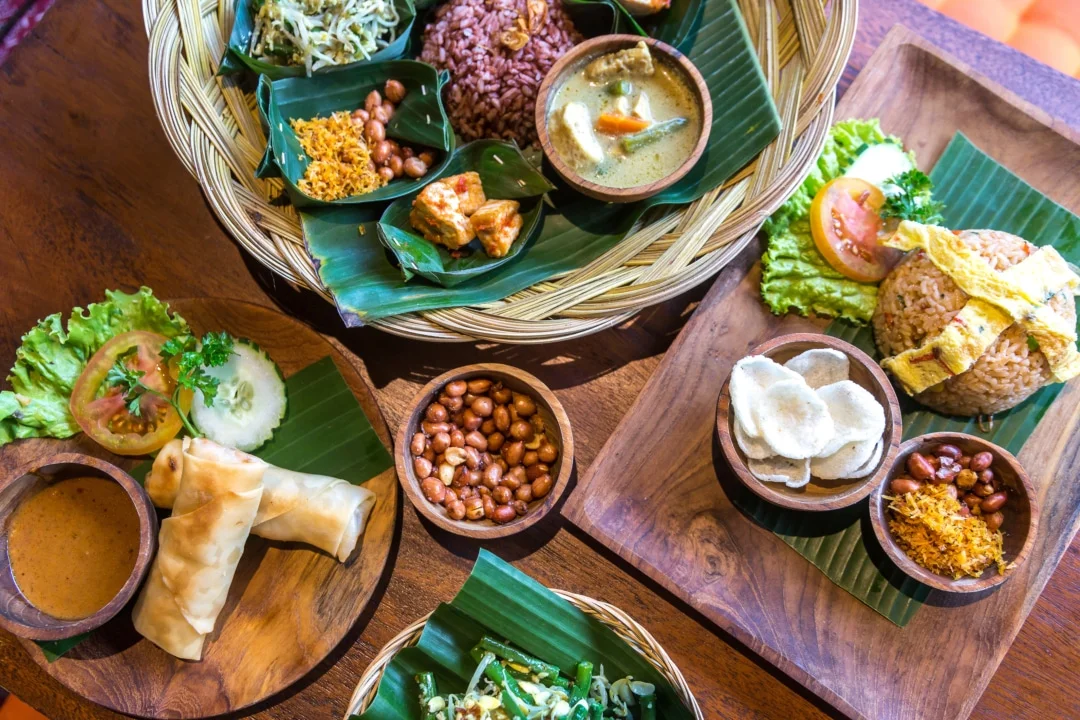
Dairy should be avoided for a while. Some people find it harder to digest after diarrhea, so wait until your digestion feels better before eating it again. This isn’t the time for Bali’s spicy sambal, rich curries or late-night cocktails. They’ll still be around when your stomach is ready.
Keep Food Safe While Recovering
The last thing you want when you’re healing from Bali belly is to eat something that could upset your stomach again.
Choose food that’s thoroughly cooked and served hot. Be careful with raw foods, leftovers and drinks made with questionable water. Good hand hygiene is important, especially before eating.
When to Seek Medical Attention?
A healthy diet can help your body recover, but it shouldn’t replace medical care if symptoms are severe or don’t go away. If you have bloody diarrhea, frequent or ongoing vomiting, a high fever, severe stomach pain, confusion, feeling faint or signs of severe dehydration, seek help.
Dark or infrequent urine, extreme thirst, dizziness and weakness can all mean you’re not replacing enough fluids. If your diarrhea lasts several days and doesn’t improve, contact a healthcare professional. Traveler’s diarrhea can be caused by many things and depending on the cause, you might need specific treatment.
Extra Support While Recovering in Bali
If Bali belly has left you feeling weak and you’d rather stay at your accommodation while you recover, Fast Drip Bali offers IV drip treatments at your villa or hotel, so you can get the treatment without traveling elsewhere.
For travelers dealing with dehydration or looking for additional help while resting, having treatment available at their accommodation can be a convenient option. IV therapy shouldn’t replace proper medical care or oral rehydration when needed, but a home visit can make recovery more comfortable when you’re not up to going out.
Frequently Asked Questions
How long should you stick to bland foods after Bali belly?
There’s no fixed number of days. While your symptoms are still active, choose simple foods that are easy on your stomach. As you start feeling better and your digestion returns to normal, you can slowly go back to your usual diet.
Can I drink coffee while recovering from Bali belly?
It’s best to avoid coffee and other caffeinated drinks while your symptoms are ongoing. Caffeine can make diarrhea worse and make it harder to stay hydrated.
When can I eat spicy food again?
Once your stomach feels better and your bowel movements have returned to normal, you can slowly start to reintroduce spicy foods again. If they cause cramps or loose stools, wait a bit longer before trying them again.
Is an IV drip necessary for Bali belly?
Not necessarily. Many people can recover with enough oral fluids and food. However, severe dehydration may require medical treatment. A healthcare professional can assess your condition and advise on the best course of action.

Certified doctor that dedicated to providing personalized and patient-centered care. Committed to delivering personalized medical care with the highest standards of safety and professionalism.
STR: ES00001252842418