A holiday in Bali can significantly disrupt your body’s routine, especially after a long flight and strenuous activities. So, how often should you get a vitamin infusion while in Bali?
The answer isn’t simply “once a week” or “every few days.” There is no one-size-fits-all schedule. Determining the frequency of vitamin infusions requires considering your health status, the type and dosage of the fluids administered, the reason for the treatment, and how your body responded to previous sessions.
Deciding to get vitamin injections more frequently is not necessarily a good idea. This treatment should only be administered based on a medical professional’s assessment in specific situations.
How Often Should You Get a Vitamin Infusion During a Bali Trip?
For a short vacation, one infusion may be sufficient for some travelers, while others may not need one at all.
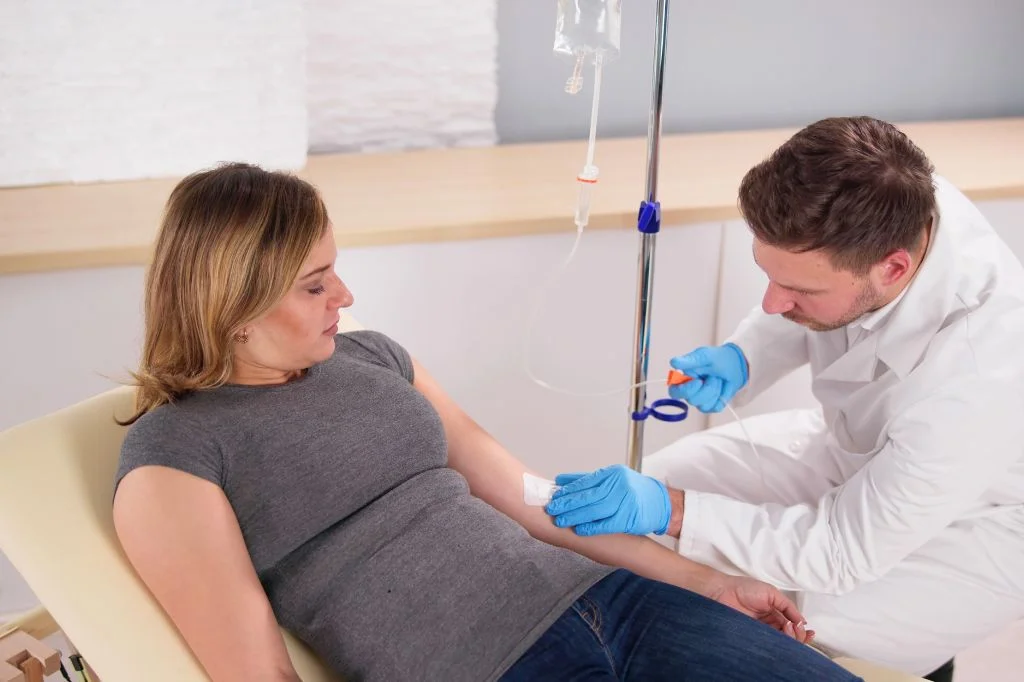
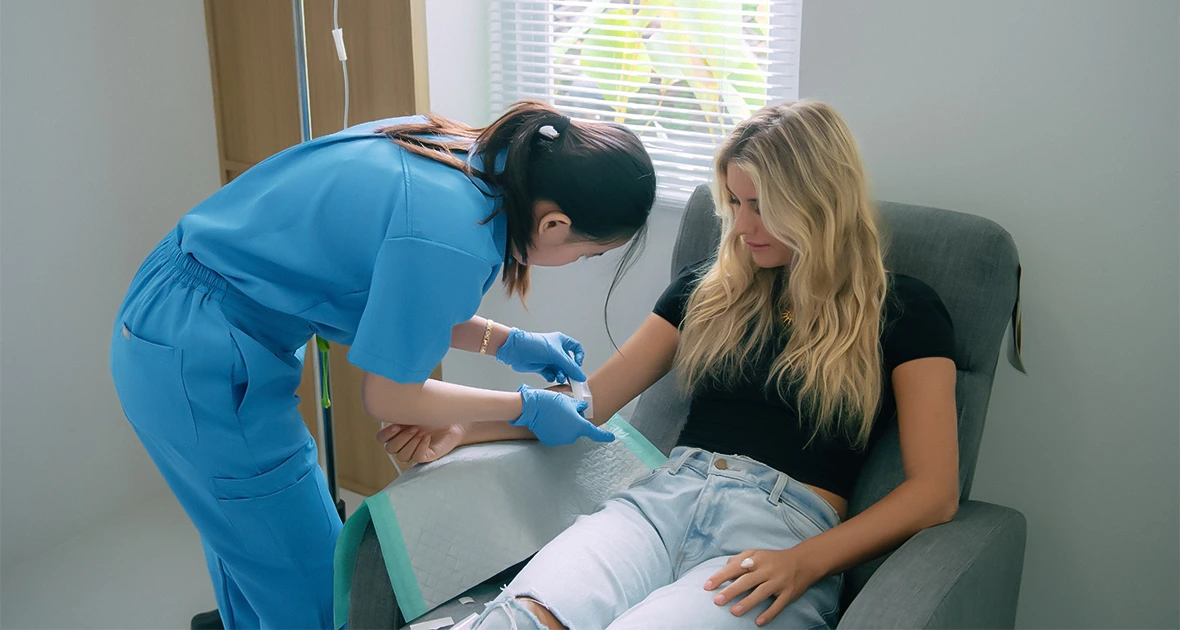
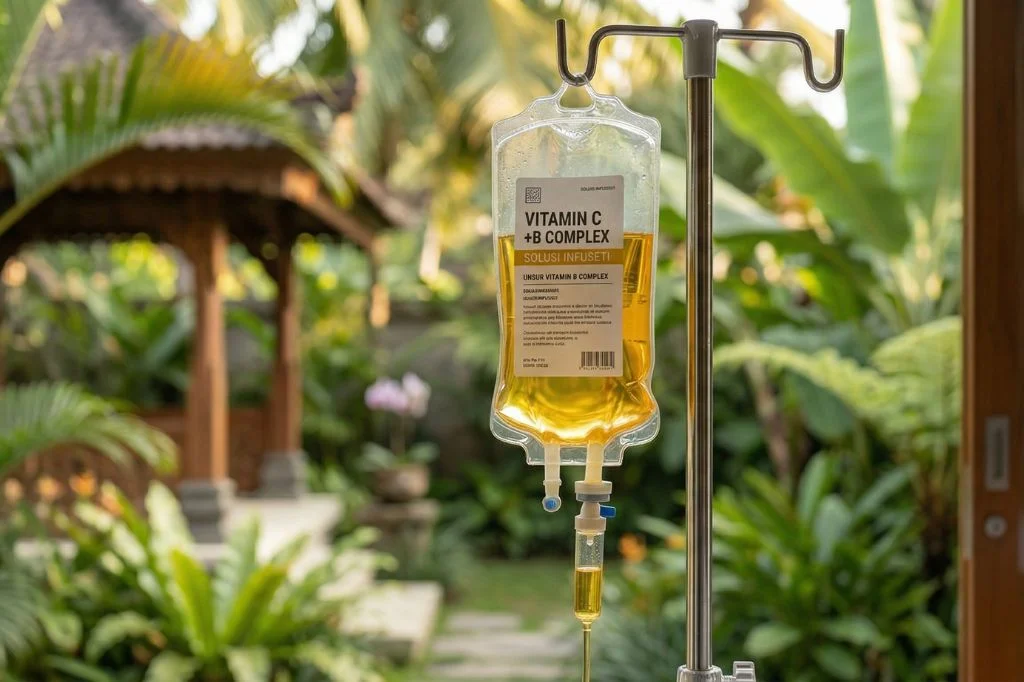
If a traveler chooses to have an infusion, the decision to repeat it should be based on an real assessment rather than just counting the number of days since the previous treatment.
For instance, a person staying in Bali for five days should not automatically schedule an infusion on arrival, another halfway through the trip, and another before flying home. More treatment is not necessarily better, and repeated high-dose vitamin administration can carry risks.
After a Long-Haul Flight
Imagine arriving in Bali after a 15-hour journey. You feel tired, your sleep schedule is disrupted, and you have a full itinerary beginning the following morning.
In this situation, some travelers consider an IV infusion as part of their wellness routine. However, a long flight alone does not automatically mean that you need an IV vitamin infusion.
Start with basic recovery: drink fluids, eat properly, rest, and allow your body to adjust to the new time zone.
During a Busy Multi-Day Bali Itinerary
Consider a traveler staying for seven days with an itinerary that includes Ubud sightseeing, beach activities, restaurant visits, shopping, and several early-morning excursions.
If you feel well after the first few days, there may be no reason to schedule another infusion simply because your itinerary is busy.
After Surfing, Hiking, Diving, or Other Physical Activities
Bali attracts travelers who are physically active. Surfing in Canggu, hiking Mount Batur, diving around Nusa Penida, cycling through rural areas, and spending hours outdoors can all make a holiday more physically demanding.
After intense activity, hydration, food, electrolytes, and rest are important first steps.
An IV infusion should not be treated as a substitute for these basics. If you have severe weakness, confusion, fainting, persistent vomiting, breathing difficulties, or other concerning symptoms, seek appropriate medical care instead of simply booking another wellness drip.
After a Night Out or Alcohol Consumption
A common situation is waking up after a late night and wondering whether another IV drip will help you feel better. This is where expectations matter.
An IV infusion should not be presented as a guaranteed hangover cure. Alcohol-related symptoms can involve dehydration, sleep disruption, gastrointestinal irritation, and other effects, and there is limited evidence supporting IV vitamin therapy as a general wellness solution for healthy people.
When One Infusion May Be Enough
For some travelers, one treatment may be the only infusion they consider during an entire Bali trip.
For example, you may receive an infusion after an appropriate assessment early in your stay and then spend the remainder of the holiday focusing on sleep, meals, hydration, and recovery.
If you feel well afterward, there is no reason to assume you need another treatment simply because several days have passed.
The goal should be appropriate treatment, not maximum treatment frequency.
When You Should Reassess Before Getting Another Infusion
Before scheduling a second IV infusion, consider why you want another treatment.
Are you feeling better? Are you experiencing new symptoms? Did you tolerate the previous infusion normally? Are you taking medication? Do you have a medical condition that could affect the safety of IV treatment?
These questions matter because IV therapy is not risk-free. Possible complications include bruising or infection at the injection site, medication interactions, fluid-related problems, and adverse effects associated with excessive doses of certain vitamins.
Certain people may require additional caution, including those with kidney problems or particular medical conditions. High-dose intravenous vitamin C, for example, can present specific risks in people with kidney disease or G6PD deficiency.
Is Home-service IV Drip Practical for Travelers in Bali?
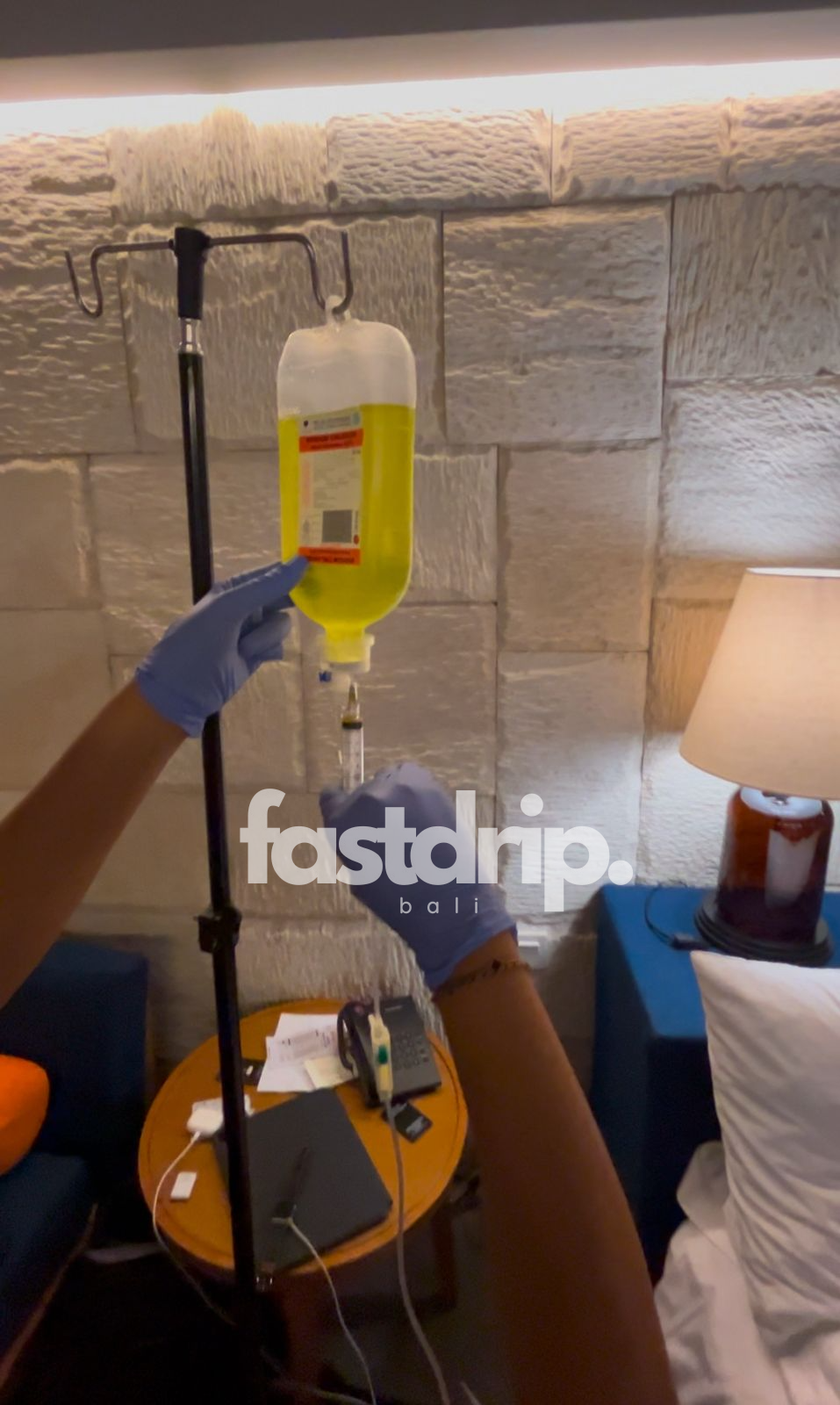
For travelers who have been assessed as suitable for IV treatment, a home-service IV drip in Bali can be a convenient option.
Instead of spending additional time traveling to a clinic, travelers may be able to receive treatment at their hotel or villa, subject to the provider’s medical assessment and appropriate treatment environment.
This can be particularly practical for travelers with tightly scheduled itineraries or those who prefer to rest at their accommodation rather than add another trip to their day.
If you are considering a vitamin infusion while in Bali, the best approach is to focus on whether you actually need the treatment, rather than how many sessions you can fit into your holiday itinerary.
For travelers who are suitable candidates, home-service IV drip treatments offer great convenience, as the procedure can be performed at your hotel or villa following the necessary medical assessment. Choose Fast Drip Bali for a convenient IV drip service.
Frequently Asked Questions
How often can you get a vitamin infusion?
There is no universal frequency for healthy travelers. The appropriate interval depends on the formulation, dose, medical history, and individual circumstances.
Can you get two IV infusions during one Bali trip?
Possibly, but a second treatment should not be automatic. A healthcare professional should reassess your condition and determine whether another infusion is appropriate.
Should you get an IV drip after a long flight?
Not necessarily. Fatigue after a long flight is common and may improve with sleep, food, and hydration. If you feel significantly unwell, seek medical assessment before choosing an infusion.
Is it safe to get vitamin infusions regularly?
Regular IV vitamin therapy is not automatically safe simply because previous treatments were tolerated. Repeated treatment should be medically appropriate, with attention to ingredients, doses, health conditions, and potential risks.

Certified doctor that dedicated to providing personalized and patient-centered care. Committed to delivering personalized medical care with the highest standards of safety and professionalism.
STR: ES00001252842418