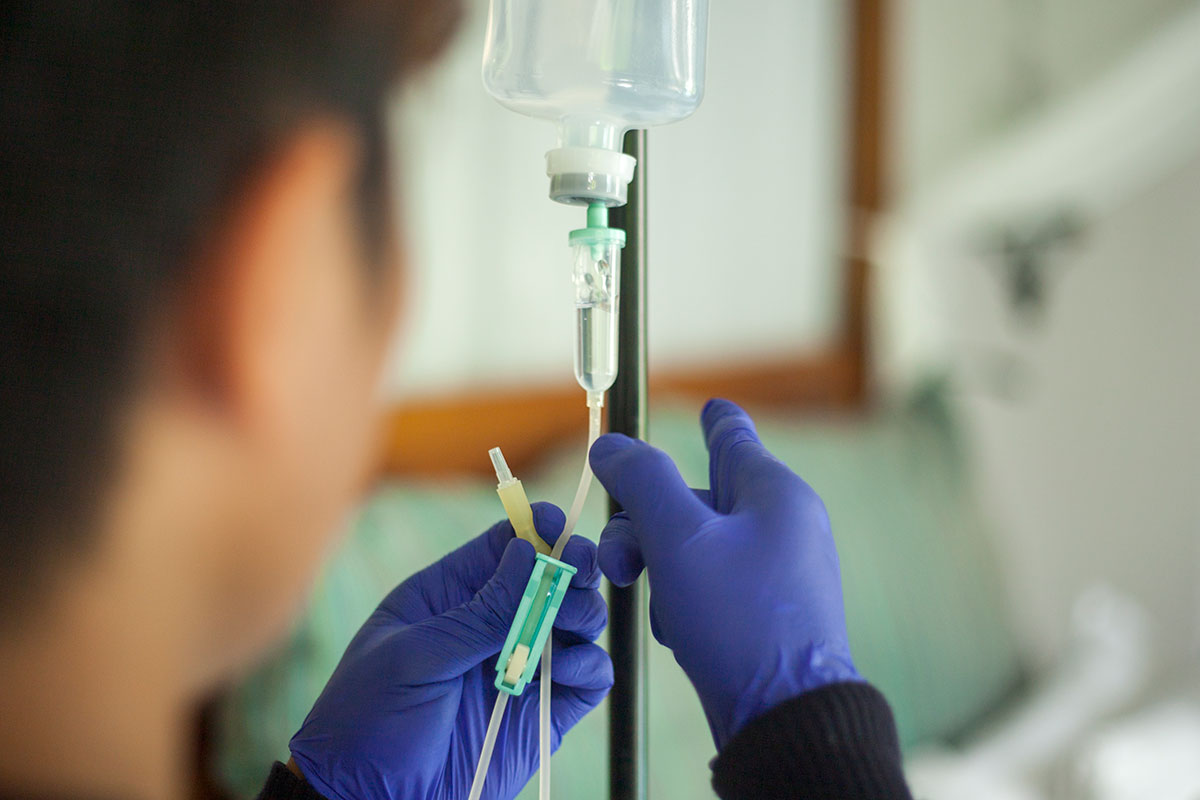
An IV drip session may leave you feeling refreshed, hydrated, or more comfortable, but the treatment itself is not the end of the process. What you do afterward can affect how comfortable your recovery feels, particularly if you have just traveled, spent hours in the heat, exercised, or had very little sleep.
Good IV drip aftercare is not about trying to “boost” the effects of an infusion. Instead, it is about giving your body appropriate time to settle, maintaining normal hydration, eating properly, resting, and monitoring the IV insertion site. Individual aftercare can also vary depending on the type of infusion and your health condition, so instructions from your healthcare provider should always take priority.
The First 30–60 Minutes After an IV Drip
Immediately after an IV drip, avoid rushing straight into your next activity. If you feel lightheaded or unusually tired, remain seated for a while and stand up gradually.
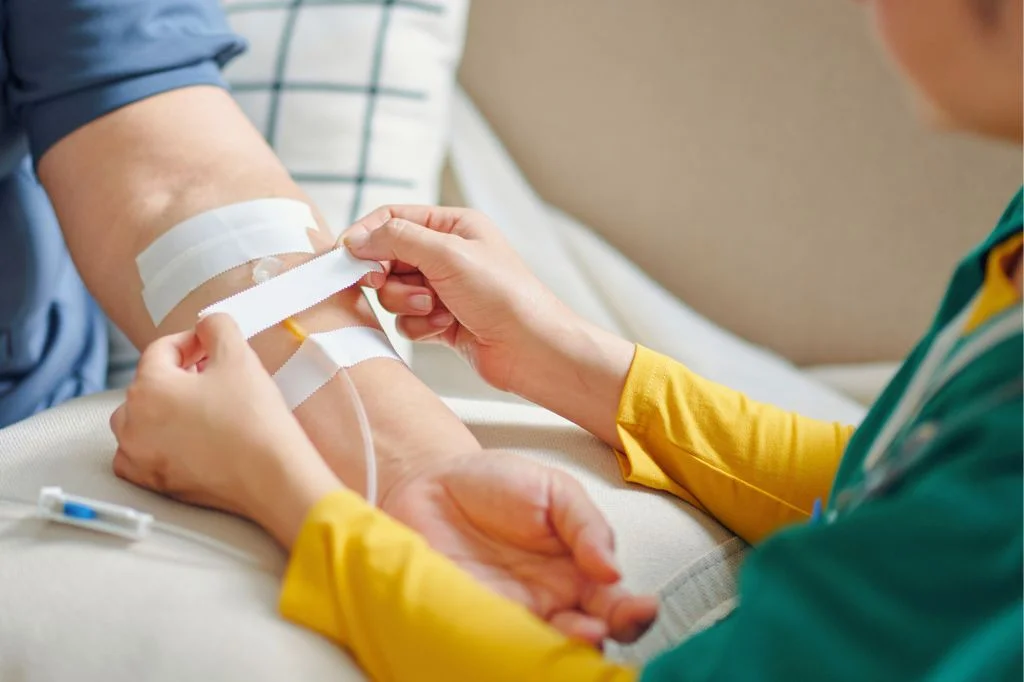
Before leaving, check the area where the IV was inserted. A small amount of tenderness or bruising can occur after a needle has been placed in a vein. However, increasing pain, significant swelling, redness, warmth, or leakage should not be ignored.
If you feel well, normal light activities may be possible. However, your provider may recommend additional rest depending on why you received the treatment and what was included in the infusion.
Hydration After IV Drip: Avoid Overdoing It
Drink water normally throughout the day rather than forcing large quantities in a short period. If you have been sweating heavily or spending time outdoors in Bali’s heat, your fluid and electrolyte needs may be different from someone who has spent the day resting indoors.
The purpose of post-treatment hydration is to maintain normal fluid intake, not to “flush” the IV ingredients from your body. People with certain medical conditions, including some heart or kidney problems, may have specific fluid restrictions, making personalized medical advice particularly important.
Eat a Balanced Meal After Your Treatment
An IV drip does not replace the nutritional value of regular meals. If you have skipped meals because of travel or a busy schedule, eating afterward can help restore your normal energy intake.
Choose a balanced meal containing protein, complex carbohydrates, vegetables or fruit, and healthy fats. If you feel slightly nauseated or your stomach is unsettled, start with something lighter and easier to digest.
There is no need to search for a particular “detox food” or assume that one ingredient will make the IV work faster.
Exercise After an IV Drip: Give Your Body Time
If you have an intense workout, surfing session, long hike, or other physically demanding activity planned, consider giving yourself time before returning to it.
Light walking may be reasonable if you feel comfortable, but strenuous exercise immediately after treatment may be unnecessary, particularly if you are still tired or dizzy. The IV insertion site can also be irritated by repetitive movement, pressure, or heavy lifting.
A practical approach is to assess how you feel before increasing activity. If you experience dizziness, weakness, unusual fatigue, or discomfort around the IV site, stop and rest rather than pushing through it.
Limit Alcohol and Be Careful With Caffeine
Alcohol is best avoided while you are recovering, particularly if dehydration was one of the reasons you sought IV treatment. Drinking alcohol immediately afterward can work against your efforts to maintain appropriate hydration.
Caffeine does not automatically need to be eliminated, but large amounts may be unhelpful if you already feel dehydrated, jittery, or unwell. Choose water as your primary beverage and pay attention to how your body responds.
Smoking is also not a recovery strategy. If you are trying to recover from travel fatigue, dehydration, or physical exhaustion, prioritizing rest, nutrition, hydration, and fresh air is more appropriate.
Sleep Is Still Essential After IV Therapy
Feeling more refreshed after an IV drip does not mean your body no longer needs sleep.
This is particularly relevant for travelers in Bali who may have experienced jet lag, long flights, late nights, or a packed itinerary. Instead of treating an IV drip as a replacement for sleep, use the period afterward as an opportunity to slow down.
If possible, avoid scheduling demanding activities immediately after your treatment. A quiet afternoon or evening followed by a full night’s sleep can provide a more sensible recovery environment than immediately returning to an exhausting itinerary.
Your First 24 Hours: A Simple Recovery Timeline
- First hour: Sit and recover gradually. Stand slowly, check the IV site, and make sure you feel stable before continuing your day.
- Next few hours: Drink fluids normally, eat a nutritious meal, and keep physical activity light if you are not feeling completely recovered.
- Evening: Avoid excessive alcohol and strenuous activities. Give yourself enough time to relax and sleep.
- The next morning: Assess how you feel before returning to intense exercise or a demanding travel schedule.
- After 24 hours: If you feel well and have no concerning symptoms, you can generally return to your normal routine according to your healthcare provider’s advice.
Why Home-Service IV Drip Can Make Recovery Easier
For travelers, the journey after an IV treatment can be just as important as the treatment itself. Having to leave a clinic, travel through traffic, and continue sightseeing immediately afterward may be less comfortable than being able to rest where you are staying.
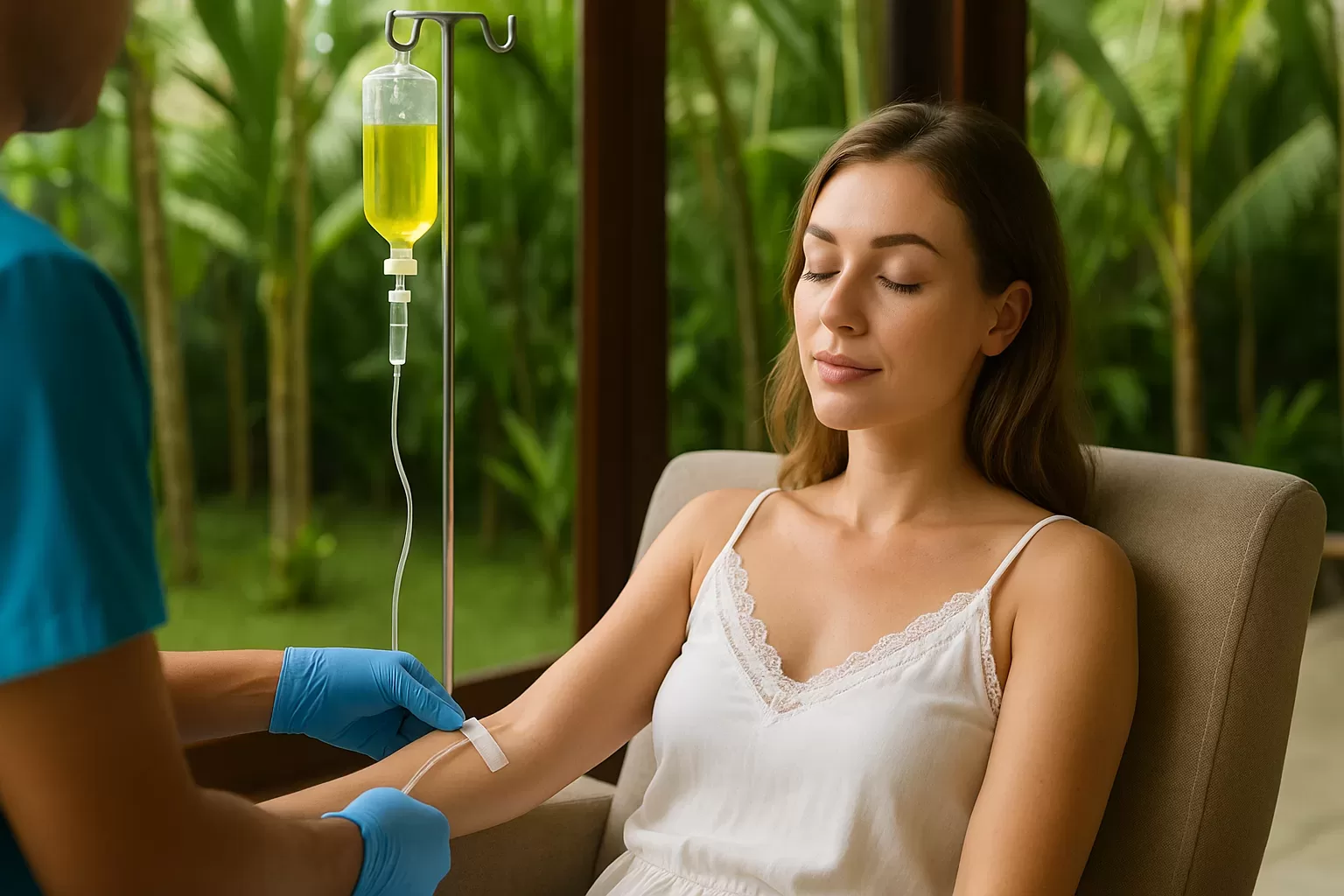
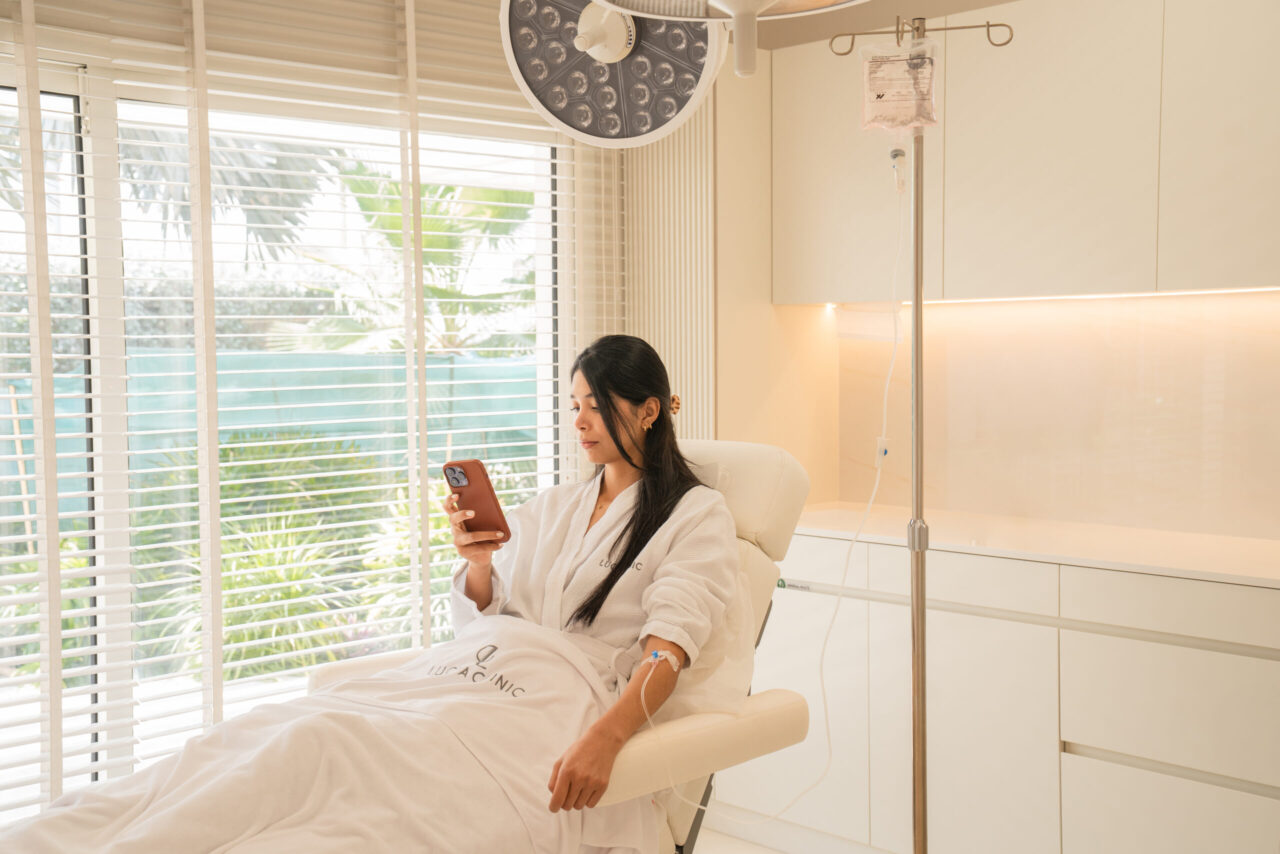
A home-service IV drip allows treatment to take place at a hotel, villa, or other suitable accommodation, so you can transition directly into your recovery routine. This does not automatically make home treatment safer than a clinic, but it can make the experience considerably more convenient.
For travelers in Bali who prefer to recover without unnecessary travel after their session, Fast Drip Bali offers IV drip home-service options designed around convenience.
Frequently Asked Questions
1. How long should I rest after an IV drip?
There is no universal recovery period. If you feel well, light activities may be possible, but rest longer if you feel tired, dizzy, or unwell.
2. Can I exercise after an IV drip?
Light activity may be appropriate if you feel well. It is sensible to postpone strenuous exercise, especially if the IV site is sore or bruised.
3. What if my IV site becomes swollen or painful?
Monitor it closely. Increasing pain, redness, warmth, swelling, or discharge should be reported to a healthcare professional promptly.

Certified doctor that dedicated to providing personalized and patient-centered care. Committed to delivering personalized medical care with the highest standards of safety and professionalism.
STR: PH00000071318974