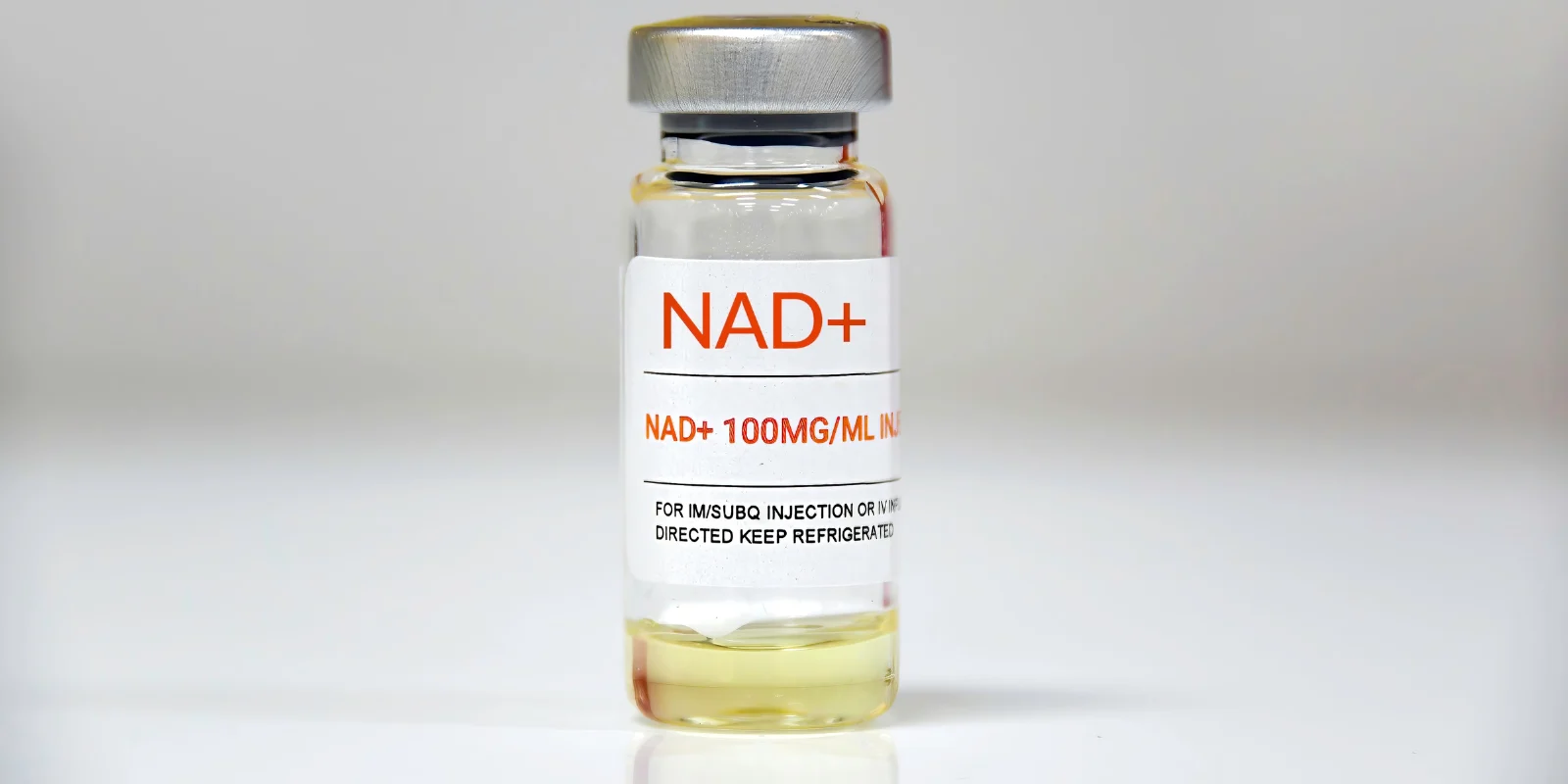

Interest in NAD+ infusions is growing among people looking to support fitness, healthy aging, and overall well-being. Many people still have questions regarding the therapy process, duration, and potential side effects. Understanding the procedure can help you know what to expect during a NAD+ infusion session.
NAD+ is a natural coenzyme that plays a role in cellular metabolism, energy production, and cellular function. Although NAD+ infusions are increasingly popular in health and wellness services, research into their long-term clinical benefits is still evolving. Therefore, this treatment should be undertaken with realistic expectations and under medical guidance.
What Happens Before a NAD+ Infusion Session Begins?
Before the procedure is conducted, patients usually undergo a brief consultation with a doctor or medical professional. This step aims to ensure that the therapy is suitable for the individual’s health condition.
Medical History Consultation
The doctor will ask for important information, such as:
- Past or current medical conditions
- Medications or supplements currently being taken
- History of allergies to specific medications
- Reasons for undergoing NAD+ infusion therapy
This information helps medical personnel determine whether the therapy can be administered safely and allows them to adjust the required protocol.
General Health Examination
Before the infusion is administered, medical personnel may also perform basic health checks, such as measuring blood pressure and pulse rate or evaluating the patient’s general condition. This step is part of the standard procedure to ensure the patient’s condition is stable enough before starting the therapy.
Steps of a NAD+ Infusion Session
For those who have never undergone infusion therapy, the process is actually quite simple and performed in stages.
1. IV Line Insertion
After the skin area is cleaned with an antiseptic, medical personnel insert a small needle into a vein, usually in the arm or the back of the hand. The needle is then connected to an IV tube that will slowly deliver the NAD+ solution.
Some people may feel a pinch-like sensation when the needle is inserted, but this discomfort generally lasts only briefly.
2. Gradual Administration of the NAD+ Solution
Unlike some types of vitamin infusions that can be administered in a relatively short time, NAD+ infusions are generally given slowly. Medical personnel will adjust the infusion flow rate to ensure patient comfort throughout the procedure.
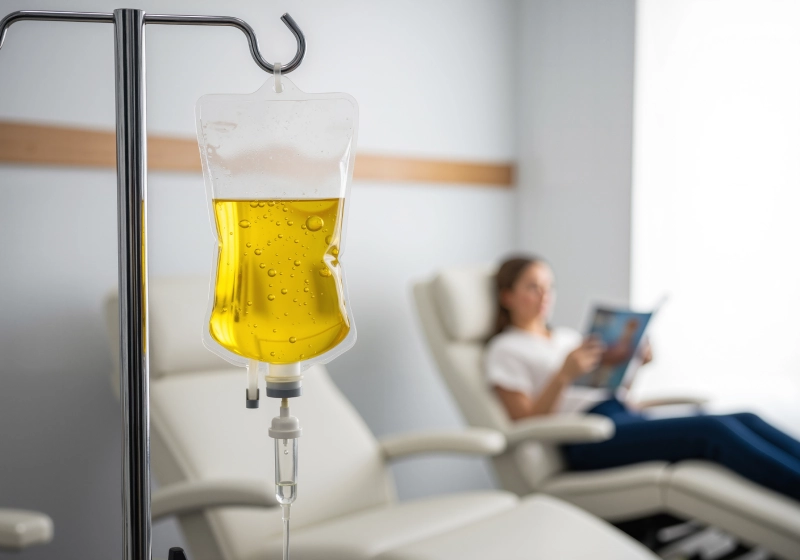
During therapy, patients can sit or lie down comfortably. Many people use this time to read, listen to music, work on a laptop, or simply rest.
3. Monitoring During the Procedure
Medical personnel monitor the patient’s condition throughout the session. If the patient experiences complaints such as discomfort, mild nausea, or a warm sensation, the infusion flow rate can be adjusted to enhance comfort.
This monitoring is one reason why infusion therapy should be conducted by experienced medical personnel.
How Long Does a NAD+ Infusion Take?
Generally, a NAD+ infusion procedure lasts between 1 to 3 hours, depending on factors such as the administered dose, the infusion flow rate, and the patient’s bodily response.
In some cases, the doctor may choose a slower infusion flow rate to minimize potential discomfort during the procedure. As a result, the duration of each session may vary from patient to patient.
If you are undergoing therapy as part of a wellness program, the doctor can also provide information regarding the appropriate treatment frequency based on your health condition and specific goals.
Potential Side Effects of NAD+ Infusions
As with general medical procedures, NAD+ infusions carry the potential for side effects. Each individual’s bodily response varies, so the experience during therapy can differ from person to person.
Some symptoms that may occur during the infusion include:
- Warm sensation or facial flushing
- Mild nausea
- Discomfort at the IV injection site
- Headache or dizziness
- Temporary fatigue
- Cramping or specific discomfort while the fluid is flowing
In some patients, discomfort may be related to the rate of NAD+ administration. Therefore, medical staff can adjust the infusion speed based on patient response.
If you feel overheated, nauseous, dizzy, or experience other uncomfortable symptoms during the session, notify the medical staff immediately. Do not force yourself to endure discomfort simply because you assume it is a normal part of the therapy.
What Happens After a NAD+ Infusion?
After the infusion is complete, medical personnel will remove the IV line and check your condition. The injection site is usually covered with cotton or a bandage.
Not everyone feels an immediate change after undergoing this therapy. Some people might not feel any difference, while others report feeling more relaxed or energized. This experience is subjective, and there is no guarantee that the therapy will yield the same effect for everyone.
It is advisable not to push yourself to engage in strenuous activities immediately after the session ends. Listen to your body and follow the medical staff’s instructions regarding post-treatment activities.
Who Should Consult a Professional First?
NAD+ infusions may not be suitable for everyone. Consult a healthcare professional before undergoing treatment if you have certain medical conditions, take routine medications, have allergies, are pregnant or breastfeeding, or have ever experienced a reaction to intravenous (IV) therapy. This consultation helps assess your health condition and determine whether a NAD+ infusion is right for you.
Maintaining Wellness Is More Practical with On-Demand Care Services
If you want to try a NAD+ infusion in Bali without the hassle of traveling to a clinic, Fast Drip Bali offers home IV therapy services that can be carried out in your hotel, villa, or private residence. Their Pure NAD+ Infusion service provides various dosage options, and the entire process is backed by consultation and service delivery by doctors and medical professionals.
For those on vacation or staying temporarily in Bali, this concept makes wellness treatment sessions far more practical: you simply relax in the comfort of your accommodation while the medical team arrives to deliver the care. Before starting, you can consult with Fast Drip Bali regarding your health condition and wellness goals.
Frequently Asked Questions
How long does a NAD+ infusion session last?
The duration varies depending on the dosage, infusion rate, and patient response. Generally, a NAD+ session lasts around 1–3 hours.
Are NAD+ infusions painful?
Discomfort usually occurs only when the needle is first inserted. During the infusion process, some people may experience a warm sensation or mild nausea.
Can I return to activities after a NAD+ infusion?
Post-therapy activities should be adapted to your bodily condition and the guidance of medical personnel. If you feel dizzy or uncomfortable, it is best to rest first.
Can a NAD+ infusion be administered in a hotel or villa in Bali?
Yes. FastDrip Bali provides on-call IV therapy services across various locations in Bali, including hotels, villas, and private residences, with professional medical personnel coming directly to your location.

Certified doctor that dedicated to providing personalized and patient-centered care. Committed to delivering personalized medical care with the highest standards of safety and professionalism.
STR: 3521100122246299