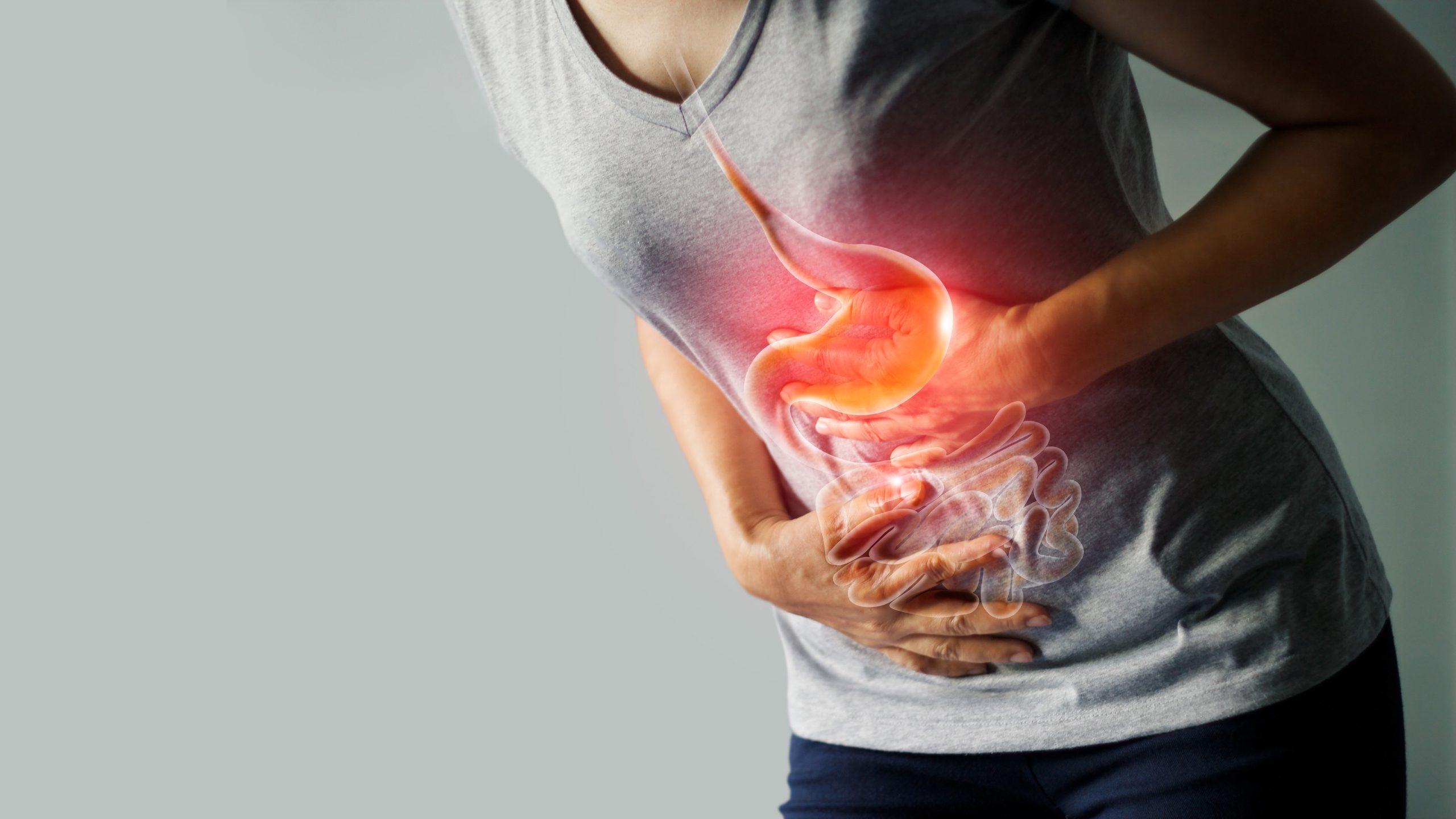
How do you handle a child with food poisoning while traveling? Parents may be confused about what to do and feel panicked when their child shows symptoms of food poisoning, such as stomachaches and diarrhea.
You need to know the best course of action when facing such a situation. This post will guide you so you don’t make mistakes when treating your child.
Are Children More Prone to Food Poisoning?
A toddler’s digestive system is not yet as developed as an adult’s. Children under the age of 5 are particularly vulnerable to food poisoning. Children’s lifestyles tend to lack discipline, which can lead to poor hygiene when eating or drinking.
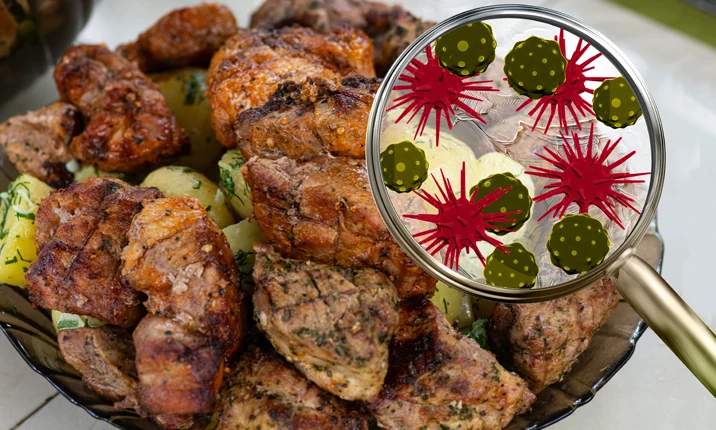
Young children usually wash their hands less frequently than adults, especially if they aren’t consistently taught to do so. Many sources of food poisoning pose a greater risk to children than to adults. Examples include undercooked meat, unpasteurized milk, and sashimi.
If fruit isn’t washed first, it can also be a source of contamination for children. There are other sources of contamination to watch out for as well. Learn how to handle a child with food poisoning as a precaution.
How to Handle Food Poisoning in Children While Traveling?
While traveling, you may want to explore local cuisine with your family. The food you buy may not be hygienic or may be contaminated. You may not experience significant symptoms, or they may go away on their own after a while.
However, your child may experience clear symptoms such as diarrhea, vomiting, and stomach cramps. These symptoms should not be left untreated for hours on end. If left untreated, dehydration can lead to serious medical problems.
Here are some best practices for parents to follow when their child has food poisoning:
Prevent Nausea by Feeding Small Portions
One of the symptoms of food poisoning is nausea. You can offer small portions slowly; choose bland, easily digestible foods. Stop feeding your child temporarily if they are too nauseous.
Every child’s tolerance for nausea is different. You need to be patient and pay attention to how your child responds to the food.
Replenish Body Fluids
Food poisoning causes the body to lose fluids due to diarrhea and vomiting; don’t let this lead to dehydration. Dehydration can trigger other, more serious problems. Just as you feed your child small amounts of food, give them small sips of fluids as well.
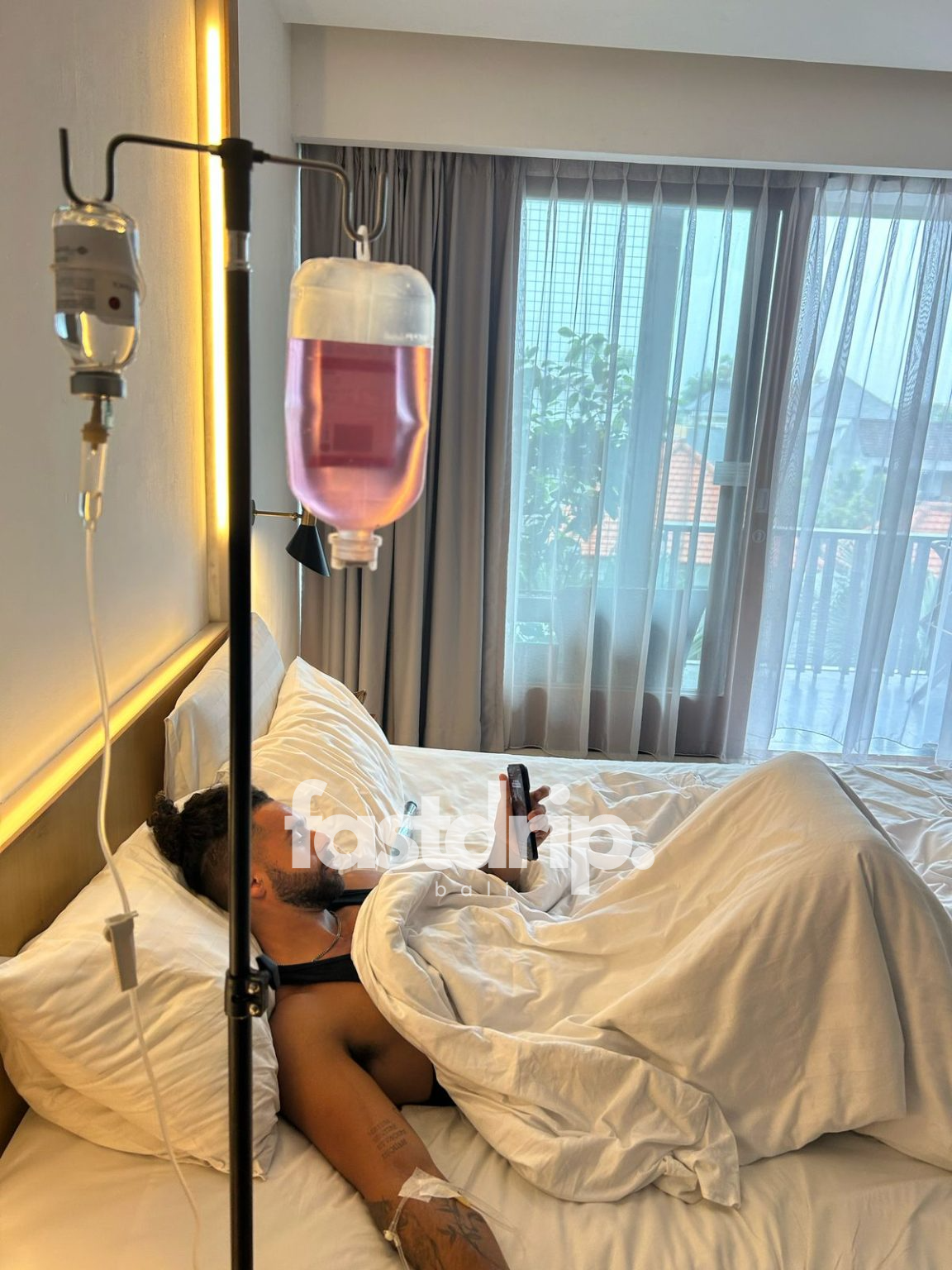
Parents can also purchase ORS, which replenishes both fluids and electrolytes. However, there are times when children have difficulty swallowing even liquids. Many people consider an IV drip or infusion therapy for their child.
Be Cautious When Buying Medication
You may plan to buy medication at a convenience store or pharmacy. Not all children can tolerate certain medications, unlike adults who are often more tolerant and can adjust to the effects. If you give a completely irrelevant medication, it could actually worsen the symptoms.
There is a wide variety of symptoms children experience when they have food poisoning. Rather than going through the hassle of buying medication for each of these symptoms, it’s better to contact a medical professional. It’s especially important to take your child to a clinic if a high fever doesn’t subside, or if there are signs of severe dehydration and physical weakness.
Allow Your Child to Get Plenty of Rest
Children with food poisoning can be very weak and need more time to rest. Make sure your child can rest comfortably to ensure good-quality sleep.
Effective Medical Treatment
You can seek medical care for more effective treatment. When you visit the doctor, you’ll be asked several questions about your child’s food poisoning. Make a note of the last foods your child ate and when the symptoms began.
The doctor will collect urine and blood samples for laboratory testing. Based on the results, the doctor can determine the cause of the poisoning. Receive a prescription for appropriate medication based on the bacteria causing the poisoning.
Clinics may offer effective IV drip therapy to treat food poisoning in children. While traveling, you might have trouble finding medical services. You can look for a doctor or clinic that offers mobile IV drip services.
This will make it easier for you and your family to receive IV drip treatment. An IV drip is a method of administering nutrients and medication through the bloodstream using sterile infusion equipment. You won’t have to go through the hassle of taking your child to a clinic if the clinic offers home visits.
However, you should know which clinics are reliable, with professional medical staff, experienced doctors, and personalized treatment plans. Also, make sure they provide IV drips specifically for food poisoning.
Yes, the type of IV drip may vary depending on the benefits needed. An IV drip for food poisoning can relieve nausea, restore vital nutrients, and rehydrate you. Relying on an IV drip can speed up your recovery compared to other medical treatments.
FastDripBali provides optimal IV drip treatment that can be administered at your hotel, villa, resort, or any other place where you’re staying.
Frequently Asked Questions
What should you do if your child has food poisoning?
Give your child ORS or at least drinking water; give it slowly in small amounts because your child may feel like vomiting. Find out which food caused the poisoning and throw it away.
What are the signs of food poisoning in children?
Note these symptoms: stomachache, vomiting, nausea, weakness, high fever, and diarrhea. These are some of the signs that your child has food poisoning, which typically appear shortly after eating.
Can children recover on their own from food poisoning?
In mild cases, your child can recover within 1–3 days, especially with proper treatment. Immediately ensure your child’s fluid needs are met once you realize they have food poisoning.
What should children drink when they have food poisoning?
Give them coconut water, ORS, or mineral water to replenish fluids lost due to diarrhea and vomiting. If they have trouble drinking, seek IV drip treatment, which is more effective and efficient.
How long do symptoms of food poisoning last in children?
Depending on the severity, your child will experience symptoms within 1–48 hours. Take effective measures to help your child recover quickly from food poisoning, such as intravenous therapy.

Certified doctor that dedicated to providing personalized and patient-centered care. Committed to delivering personalized medical care with the highest standards of safety and professionalism.
STR: 3521100122246299