
Feeling unwell can throw a wrench in the travel plans you’ve made for your vacation in Bali. Bali is one of the most popular vacation destinations. However, there are times when tourists experience “Bali belly,” and you should know that this is quite different from food poisoning.
Want to know how they differ? The detailed explanation in this post can serve as a guide for travelers.
How Do Food Poisoning and “Bali Belly” Differ?
You need to understand the differences between these two digestive disorders to know how to manage them more effectively. It’s also easier for you to consult a doctor if you know what you’re currently experiencing. Here are some key differences between Bali belly and food poisoning:
Primary Symptoms and Associated Symptoms
The first symptom of food poisoning is severe vomiting. Meanwhile, those with Bali belly will experience diarrhea, although they may also feel nausea and vomit. People with food poisoning may experience diarrhea, but it usually appears later, and sometimes not at all.
You can be certain you have food poisoning if, after eating, you experience severe vomiting without intense diarrhea. Additional symptoms of food poisoning may include muscle aches, chills, and a high fever. If Campylobacter or Salmonella causes the food poisoning, there will be blood in your stool.
In contrast, the accompanying symptoms of Bali belly do not include blood, but your stool will be watery. You may or may not experience a fever when suffering from Bali belly.
Differences in Causes
It turns out that the causes of these two digestive disorders are quite different. Bali belly is primarily caused by new bacteria found in water or food, and the body must adapt to them. Therefore, you’re more likely to experience Bali belly if you’re exploring local cuisine or trying something for the first time.
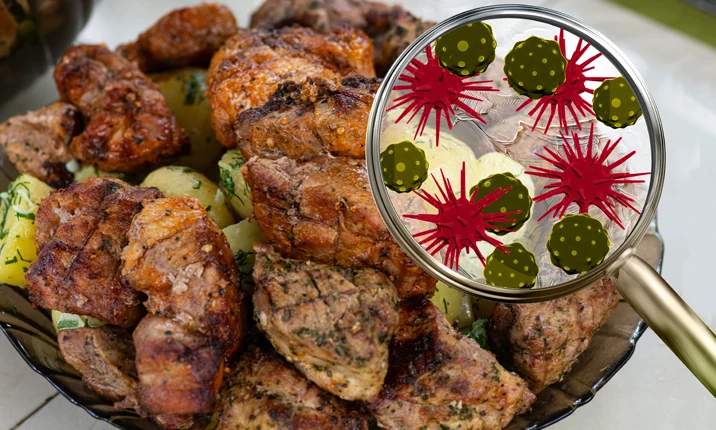
This is different from food poisoning, which is caused by consuming unsafe food, food that’s spoiled, contaminated, or processed under unhygienic conditions. Not all areas in Bali maintain high hygiene standards in their restaurants or street food stalls.
If you visit remote areas like Tanah Lot, Tibubeneng, and Tabanan, food safety there may be less strictly enforced compared to Kuta, Denpasar, and Seminyak.
Onset of Symptoms
If you experience food poisoning, symptoms can appear as early as 12 hours after eating, but may take up to 72 hours, depending on your physical condition. For example, you might have just eaten in Seminyak and not felt any health issues. The next day, after waking up, you start to feel an upset stomach.
Meanwhile, the onset of food poisoning symptoms can be felt much sooner, within 1–6 hours. So why does the onset take longer for “Bali belly”? This is because the human gut takes time to respond to new bacteria.
So, if you feel unwell within 1–6 hours of eating, it’s food poisoning. In contrast, digestive issues that appear after 12 hours are “Bali belly.”
How Long It Lasts
It’s difficult to determine the exact duration of food poisoning. You may experience symptoms ranging from a few hours to several days; the severity can vary greatly. Meanwhile, Bali belly typically lasts 2–5 days; the more effective the treatment, the faster your recovery.
Treatment for Bali belly focuses on rehydration, as significant fluid loss occurs through vomiting and watery diarrhea. For cases of food poisoning, however, it’s best to seek intensive medical care. You can seek IV drip treatment specifically targeted for that type of food poisoning.
Source of the Illness (Food or Water)
This aspect isn’t always clear-cut; however, it can help you more easily and quickly determine what you’re experiencing. Most cases of Bali belly are caused by water, whether from drinking tap water or consuming ice cubes. The same applies to brushing your teeth, washing vegetables, and washing fruit.
If the water used is tap water or unhygienic, it can trigger “Bali belly.” Meanwhile, food poisoning most often stems from buffet-style meals left uncovered, unhygienic seafood, and undercooked meat.
To make it easier to distinguish between the two, for example, make sure the water you use is boiled, hygienic, and uncontaminated, and eat at buffet-style restaurants. If you experience symptoms, it’s not “Bali belly”; it’s food poisoning.
What’s the Best Treatment for Both?
It’s crucial to ensure your body stays properly hydrated. Whether it’s food poisoning or “Bali belly,” both can cause severe dehydration. You may find yourself making frequent trips to the bathroom due to watery diarrhea or repeated vomiting.
You may want to drink more, but the urge to vomit can set in, making it difficult to drink anything. One solution is to take an oral rehydration solution (ORS) to replenish your body’s fluid and essential mineral levels. Avoid carbonated, caffeinated, and alcoholic beverages at first, as they can worsen your diarrhea.
Seek medical attention immediately if you experience severe diarrhea or vomiting. Another sign that you should contact a doctor immediately is if you haven’t been able to keep any fluids down for more than six hours. In addition to ORS, there is a more effective medical solution: IV drip therapy.
IV drips can speed up rehydration because the process goes directly into the bloodstream, rather than being taken orally. Look for medical services that offer home visits, such as FastDripBali, it’s safe, convenient, and fast.
Frequently Asked Questions
Does food poisoning cause diarrhea?
Food poisoning causes your digestive system to process bacteria, viruses, and toxins more rapidly, which enter your body when you eat and drink.
How can I treat Bali belly?
Make sure you’re able to retain fluids in your body and prevent them from being lost through vomiting. Take medication to relieve Bali belly symptoms or get IV drip therapy for quick relief.
What causes Bali belly?
Bali belly can be caused by consuming ice made from untreated water, unhygienic food, and fatigue from traveling.
How long does it take to recover from food poisoning?
In cases of mild food poisoning, the effects on your body can subside within 1–3 days. However, this depends on first aid, the type of toxin or pathogen, and the severity of the illness.

Certified doctor that dedicated to providing personalized and patient-centered care. Committed to delivering personalized medical care with the highest standards of safety and professionalism.
STR: 3521100122246299