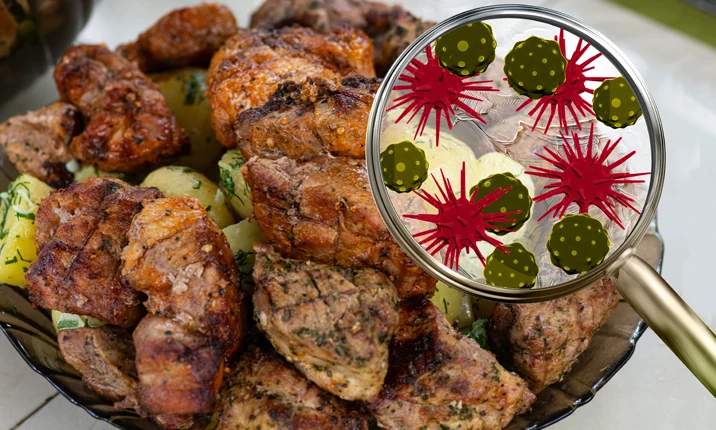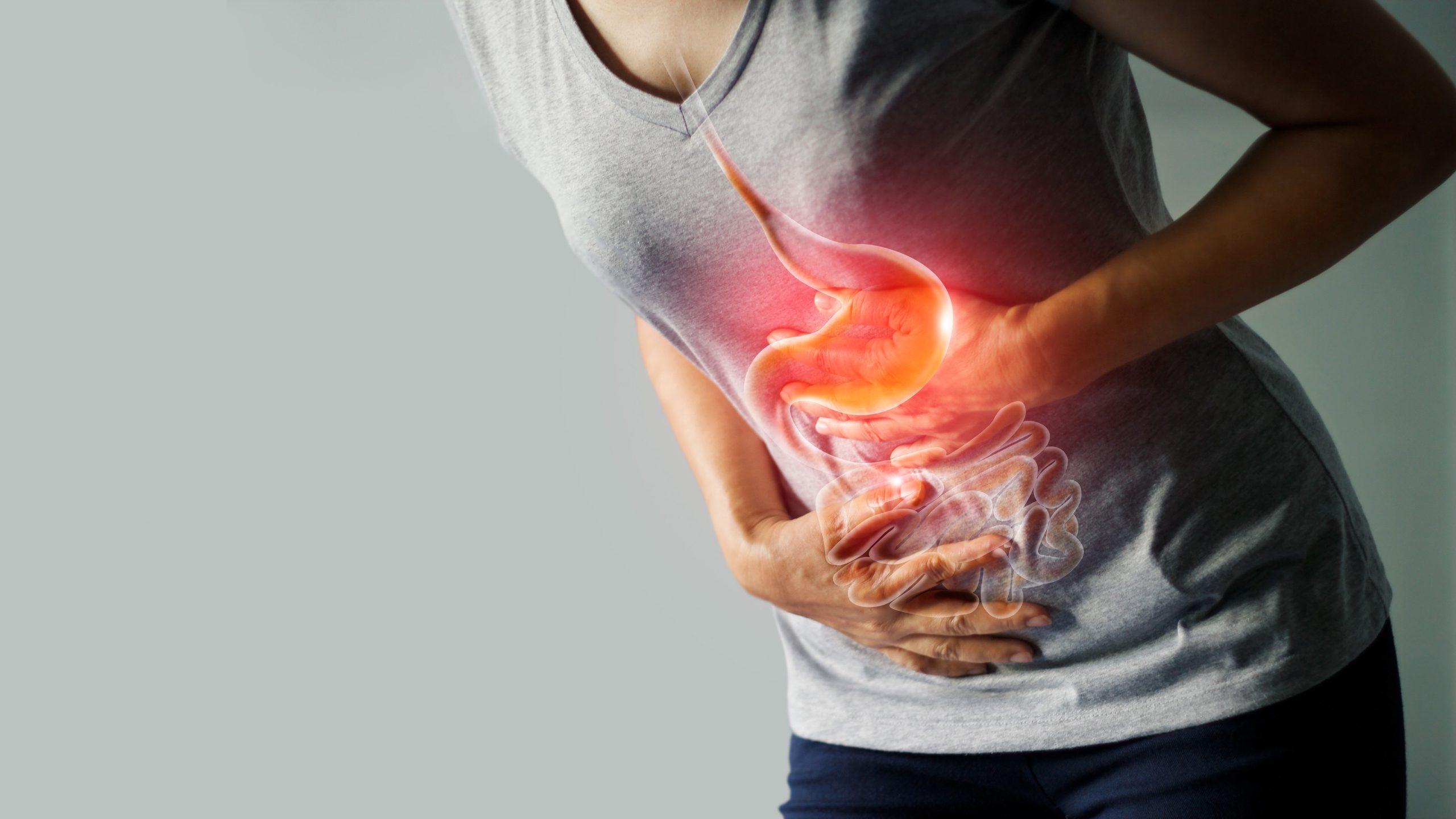

The sudden onset of gastrointestinal distress following a contaminated meal can be both debilitating and alarming. When faced with such a physiological assault, implementing a comprehensive food poisoning supportive therapy protocol is paramount to mitigate risks of severe dehydration and systemic exhaustion.
Understanding that most foodborne illnesses are self-limiting, the primary clinical focus shifts from aggressive pharmacological intervention to meticulous supportive care.
By prioritizing fluid homeostasis and physiological rest, you can navigate the recovery process efficiently, ensuring that the body’s innate immune response functions optimally without being hampered by secondary complications.
Importance of Early Treatment for Food Poisoning
Timely intervention serves as the bedrock of effective recovery. While the urge to “wait it out” is common, the rapid loss of fluids through emesis and diarrhea can precipitate a cascade of metabolic imbalances.
Early-stage food poisoning supportive therapy is not merely about comfort, it is a proactive strategy to prevent the progression of symptoms into a state of hypovolemic shock or renal strain.
By acknowledging the first signs of toxicity, such as persistent nausea or abdominal cramping, and responding with immediate stabilization measures, you significantly reduce the duration of the illness and the likelihood of requiring emergency hospital admission.
Key Components of Food Poisoning Supportive Therapy
The architecture of recovery is built upon several pillars that address the multifaceted nature of enteric infections.
A holistic approach to food poisoning supportive therapy requires a delicate balance between active rehydration, nutritional caution, and physiological preservation.
Each component plays a vital role in neutralizing the impact of toxins on the intestinal lining while providing the body with the necessary resources to repair damaged mucosal tissues.
Hydration and Electrolyte Replacement
The most critical threat during an episode of food poisoning is the depletion of essential minerals. Plain water, while necessary, often lacks the sodium, potassium, and chloride concentrations required to restore intracellular balance.
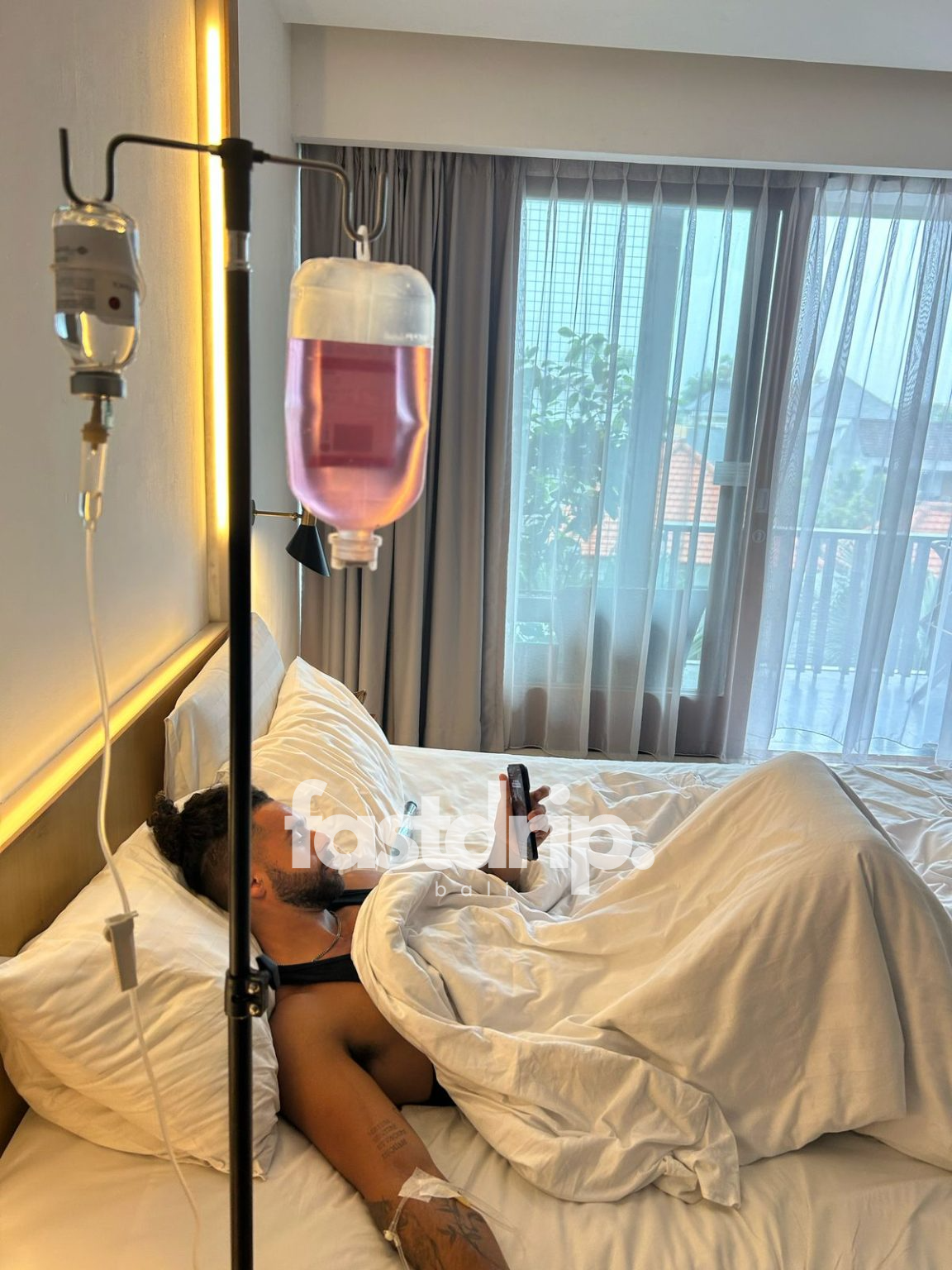
To achieve rapid stabilization, we highly recommend the use of Food Poisoning Infusion Services Fastdrip. Intravenous administration bypasses the compromised digestive tract, delivering electrolytes directly into the bloodstream for instantaneous bioavailability.
This method of food poisoning supportive therapy is particularly effective when oral intake is hindered by persistent vomiting, ensuring your body maintains its hemodynamic stability during the peak of the infection.
Rest and Recovery
Physical exertion acts as a counter-productive force when the body is fighting microbial invaders.
Diversion of energy away from the immune system to skeletal muscles can prolong the inflammatory response. In the context of food poisoning supportive therapy, rest should be viewed as a mandatory clinical requirement rather than a luxury.
Sleeping allows the metabolic rate to stabilize and gives the autonomic nervous system the opportunity to focus entirely on gastrointestinal repair and toxin clearance.
Dietary Adjustments
Reintroducing nutrients requires a strategic, tiered approach. Once the acute phase of vomiting has subsided, the “BRAT” diet (Bananas, Rice, Applesauce, Toast) remains a classic recommendation due to its low-fiber, binding properties.
However, you should avoid dairy, caffeine, and fatty foods, which can exacerbate intestinal hypermotility. The goal is to provide enough caloric intake to prevent ketosis without overtaxing the inflamed gastric mucosa.
Monitoring Symptoms and Progress
Vigilance is the final component of home-based care. While most cases resolve within 24 to 48 hours, you must remain alert for “red flag” symptoms. High-grade fever, bloody stools, or signs of neurological impairment necessitate immediate medical consultation.
Tracking the frequency of output versus the volume of fluid intake provides a tangible metric for gauging the success of your recovery efforts.
Navigating the aftermath of a foodborne illness requires precision and the right professional support. At FastDrip Bali, we specialize in providing premium clinic and home service IV Drip/Infusion throughout the Bali area.
We understand that traveling to a hospital while unwell is a significant burden, which is why our medical team brings professional-grade food poisoning supportive therapy directly to your doorstep.
Whether you are a resident or a traveler, our specialized infusions are designed to accelerate your recovery, restoring your vitality so you can return to enjoying the beauty of Bali without delay.

Certified doctor that dedicated to providing personalized and patient-centered care. Committed to delivering personalized medical care with the highest standards of safety and professionalism.
STR: TM00000514878261