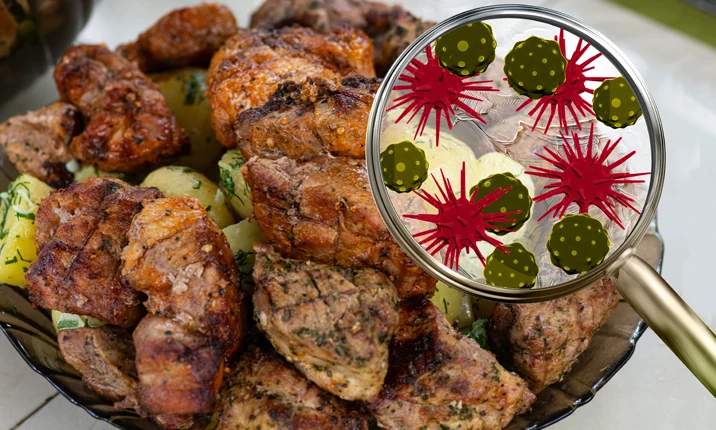

Food poisoning can occur from consuming food contaminated with toxins or bacteria. You will experience digestive issues if you consume contaminated food. So, what is the timeline of food poisoning symptoms?
This post will explain how the timeline of food poisoning unfolds over time and when you should seek medical help.
The Timeline of Food Poisoning Symptoms
It’s easier to self-diagnose food poisoning by understanding the timeline of symptoms. However, keep in mind that the severity of symptoms can depend on several factors: immune system strength, type of pathogen, age, and initial treatment.
Your digestive system will react to harmful food, which ultimately affects your body. Here is the general timeline of food poisoning symptoms you need to know:
Vomiting, Stomach Cramps, and Diarrhea (First 1–6 Hours)
The initial reactions, such as diarrhea, abdominal cramps, and nausea, are natural defense mechanisms triggered by the presence of toxins in the body. The abdominal muscles contract forcefully and involuntarily to expel the stomach’s contents. Abdominal cramps most often occur above the pelvis or below the ribcage.
If you have food poisoning, the toxins may irritate your intestines and the lining of your stomach. This is the source of severe pain, which must be addressed immediately. During these first few hours, you’ll also experience watery diarrhea due to disrupted bowel function.
Dehydration (6–12 Hours)
The conditions described above, which last for several hours, can lead to dehydration. It’s crucial to maintain your fluid levels as much as possible, though this isn’t always easy due to the urge to vomit. Dehydration can cause fatigue, dizziness, and weakness.
Other symptoms include darker-colored urine, tight skin, and a dry mouth. If this occurs in the elderly or children, it is even more dangerous due to their vulnerable physical condition. During these hours, it’s important to replenish fluids as much as possible, for example, with coconut water if plain water isn’t an option, and with ORS.
Physical Condition Worsens (12–24 Hours)
Especially if no treatment is administered at all, your physical condition may worsen, causing increased dizziness and weakness. You may even lose half your consciousness due to an intense headache. At this stage, you will certainly be unable to be productive at all. The condition becomes highly unsuitable for work, study, or even recreational activities.
Effects on Organs (Over 24 Hours)
Whether it’s “Bali belly” or food poisoning that has lasted more than a day, it’s very dangerous because it can affect your organs. Affected organs include the kidneys, eyes, and even the blood. Your blood can become infected, your vision may become blurry, and you may experience kidney failure due to severe food poisoning.
You’ll also experience severe muscle weakness, difficulty digesting food, and an inability to speak normally. Weakness starts in the upper body, such as the shoulders and arms, and spreads to the thighs and legs. This condition is already severe and can lead to paralysis if not treated with effective medical care.
When to See a Doctor?
Once you recognize the signs of food poisoning or “Bali belly,” make time to rest. Avoid strenuous activities, and postpone your itinerary if you’re on vacation. Drink as much as possible, even if you feel like vomiting.
If accompanied by severe diarrhea, you can lose a significant amount of fluid. It’s important to find ways to retain fluids in your body. Try replacing plain water with something more flavorful, but not soft drinks; look for coconut water, which is widely available in Bali.
Drinking coconut water can also help maintain your body’s electrolyte balance. The most recommended medical advice is to consume ORS (Oral Rehydration Solution); it’s widely available at pharmacies or medical centers in Bali.
So, when is your condition urgent enough that you need to see a doctor? How long you’ve been experiencing symptoms determines when you should contact a doctor. The severity of the symptoms you’re experiencing is also a key factor.
Try to assess whether you’ve had severe symptoms for 3 days or more. Have the symptoms worsened over those 3 days? If symptoms such as high fever, dehydration, and vomiting persist for more than 3 days, seek medical care immediately.
This is especially true if you’re experiencing severe abdominal cramps, difficulty swallowing even water, a feeling of paralysis, intense vomiting, or bloody diarrhea. These are critical signs indicating that you need to see a doctor as soon as possible.
Check your temperature immediately, is it 39°C or higher? That’s the threshold for a high fever requiring immediate medical treatment. If you have trouble getting to a hospital or clinic, look for a medical center that offers house calls.
IV Drip as the Best Treatment for Food Poisoning and Bali Belly
Many patients with Bali belly, food poisoning, hangovers, and jet lag rely on IV drip therapy. What is an IV drip? It’s an infusion therapy that delivers medication combined with nutrients directly into the patient’s bloodstream.
Patients can experience immediate health benefits. This is different from taking oral medications like pills or syrups, which take time to be digested. It can also be difficult if you’re experiencing nausea and vomiting; the medication may be expelled and fail to provide any health benefits.
You can look for medical services that offer mobile IV drips, such as FastDripBali, if you’d prefer not to travel to a clinic.
Frequently Asked Questions
How do you know if you have food poisoning?
Check for the most common symptoms: diarrhea, nausea, stomach cramps, and vomiting. These symptoms may be accompanied by headaches, fever, and weakness.
When do the symptoms of food poisoning begin?
Symptoms can appear as quickly as 30 minutes after eating, but may take up to 2 hours; in some cases, they can take up to two days. Seek medical attention immediately if you experience significant symptoms after consuming food that seems unfamiliar.
Is diarrhea a symptom of food poisoning?
Yes, this is the most common symptom experienced when you have food poisoning. The digestive tract processes the elimination of toxins more quickly, triggering diarrhea.
Can you recover on your own from food poisoning?
You can recover from mild food poisoning within 1–3 days as long as you stay hydrated and get plenty of rest. In moderate to severe cases, you’ll need medical assistance, such as IV therapy, for effective treatment.

Certified doctor that dedicated to providing personalized and patient-centered care. Committed to delivering personalized medical care with the highest standards of safety and professionalism.
STR: 3521100122246299